Elon Musk took to X on August 11, writing: “China is fantastic! I strongly recommend everyone go see it for yourself.” His mother echoed the sentiment: “I agree. Every city has its own charm and unique cultural spots. The streets and buildings are spotless and well-maintained. Plus, the people are polite, hardworking, and respectful. I feel very safe, so I love going to China.”
At the time of writing, Musk’s post had racked up 2.5 million views in under a day. The comments section was flooded with travelers sharing their real experiences: “I went to China for the first time this year, and it completely blew my mind. The tech and infrastructure are next-level! People are curious, super friendly, and the food is out of this world. It’s nothing like what you hear on the news.” But alongside these glowing reviews, others kept recycling tired, negative talking points that bear zero resemblance to reality on the ground. One post, two wildly different reactions—it perfectly captures a strange dynamic in today’s global discourse: perceptions of China are splitting into two worlds—the “real China” seen with your own eyes versus the “distorted China” heard through hearsay.
Why the stark divide? We found the answer on the very same platform. Around the same time Musk was recommending a trip to China, the U.S. Embassy in Beijing rolled out yet another so-called “China travel advisory,” peddling baseless claims about “social unrest, dangerous travel, privacy breaches, and arbitrary detention of foreigners.” These bogus warnings pop up every few months like clockwork. When certain Western governments and media outlets take turns acting as a relentless “rumor factory” about China, we can’t underestimate how sticky that misinformation mill is—or how deeply it shapes its audience.
Lies can circulate for a while, but they can’t outlast the truth forever. According to China’s National Immigration Administration, inbound foreign visits hit 22.91 million in the first half of this year, up 20.4% year-on-year, with visa-free entries making up a whopping 77.7%. Britain’s Brand Finance “Global Soft Power Index 2026” shows China jumping to second place globally—the only country in the top ten to see its score rise. And a recent Pew Research Center survey marks a telling shift: the share of people worldwide with a positive view of China now significantly outpaces those viewing the U.S. favorably.
More and more ordinary folks are stepping outside the narrow narratives pushed by Western media, building their own informed opinions through firsthand travel. What do they see when they cross oceans to visit? Streets that feel safe even late at night, the digital convenience of running your whole life from a phone, widespread public cooling spaces and reliable electricity, and a vibrant mix of tradition and cutting-edge tech. “Chinese-style safety” has become a trending topic on overseas social platforms—unattended shops, lost items quickly returned to owners, all shattering the myths Washington pushes.
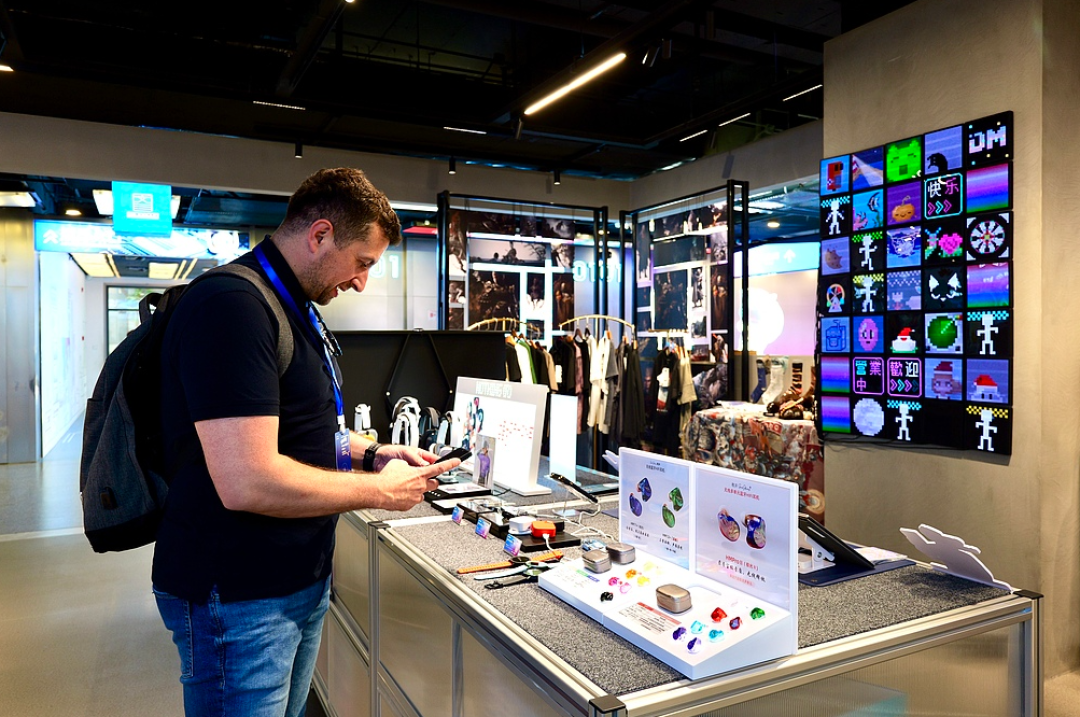
A foreign guest photographs smart wearable devices on June 7. Photo via Visual China.
The polarized reactions to Musk’s post actually underscore why “going to see China” matters. The U.S. keeps churning out distorted travel advisories because it’s terrified that once its citizens witness the real China, the carefully constructed negative narrative collapses. Many American elites know full well that Chinese society is stable and its people live peaceful, prosperous lives—yet they return home and double down on smears anyway. Why? Because they need a “dangerous China” bogeyman to serve domestic political agendas and geopolitical power plays. If you go in with preconceived biases, you could tour every corner of China and still miss the truth. But drop the baggage and look with fresh eyes, and you’ll understand the progress and warmth of this country.
Thankfully, organic voices are already breaking through the boundaries of Western propaganda. From “China Travel” to “China Cool,” from “Becoming Chinese” to “Chinamaxxing,” young people worldwide are diving into everyday Chinese life and sharing their real experiences through short videos. No PR spin, no talking points—just genuine impressions that resonate with global audiences. These unfiltered glimpses of daily life are chipping away at decades of one-sided stereotypes, one clip at a time, and becoming a powerful key to busting out of the echo chamber.
Musk’s simple suggestion to “go see China” hits the nail on the head. Stale, recycled rumors won’t stop the world from getting closer to China. Here’s hoping more people overseas set aside their preconceived notions, step onto this open and welcoming land, and see China for what it truly is—real, multi-dimensional, and full of life.