

Middle East tensions remain in a standstill, with diplomacy and military posturing going on in parallel. Both sides engage in back-and-forth rhetoric and actions while testing each other around the management of the Hormuz Strait.
According to CCTV News, on June 1 in Eastern Time, U.S. President Trump first said in an interview that he doesn’t care if talks with Iran collapse, but just 30 minutes later posted on social media that he expects a deal with Iran within the next week.
Earlier, Iran’s side announced that due to Israel’s ongoing military operations in Lebanon, and considering the ceasefire in Lebanon as a prerequisite for any Iranian-American ceasefire, Iran’s negotiating team has paused talks and text exchanges with U.S. intermediaries. Iran demands Israel immediately cease military operations in Lebanon and Gaza and withdraw from Lebanon. No further negotiations will occur until these conditions are met.
On the same day, Lebanon announced a partial ceasefire agreement between Hezbollah and Israel, requiring Israel to stop strikes on Beirut and Hezbollah-controlled suburbs, while Hezbollah commits to cease attacks on Israel. Negotiations originally scheduled for June 2 and 3 are expected to resume to discuss progress and advance next steps.
The 1947 United Nations Resolution 181 called for the establishment of Arab and Jewish states in Palestine. With support from Europe and America, Jews founded Israel, while Arab states protested the lack of an Arab state as mandated. Arab coalition forces from Lebanon, Syria, and others attacked Israel, setting the stage for ongoing conflict between the two peoples ever since.
Post-statehood, Israel has followed a U.S.-centered foreign policy, maintaining hostility with Iran, Palestine, Syria, and Lebanon in the Middle East, with no resolution to territorial disputes with its northern neighbor to this day.
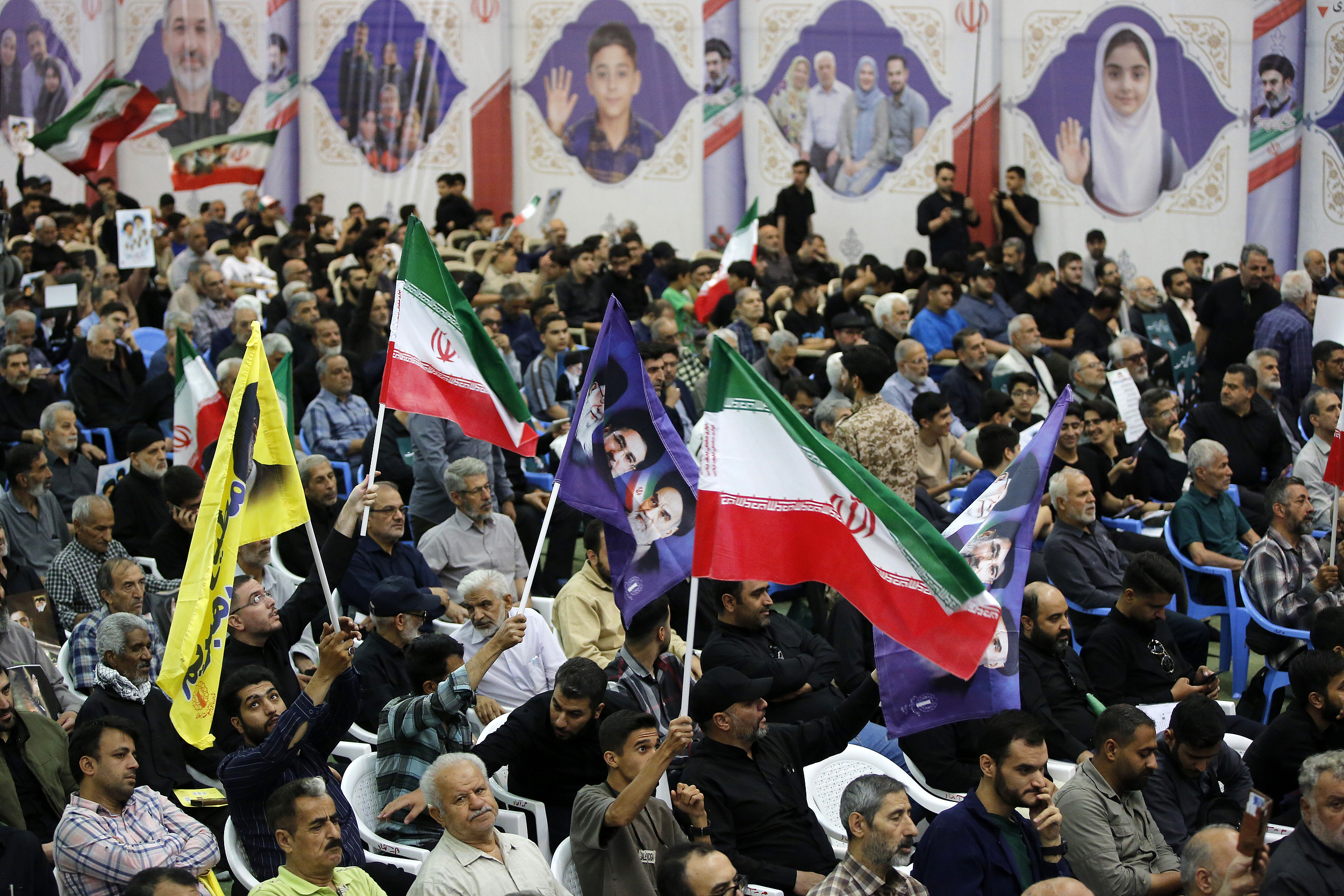
Since October 2023, as新一轮巴以冲突 escalated, Hezbollah supported Hamas. Clashes between Israel and Hezbollah along their border have intensified. At the same time, Hezbollah has faced unprecedented military pressure, with leadership targeted for elimination, military infrastructure systematically destroyed, and combat losses severe.
After the U.S. and Israel began bombing Iran on February 28 this year, Hezbollah in Lebanon fired rockets at Israel, joining the conflict. Subsequently, Israel launched a ground invasion into southern Lebanon targeting the buffer zone along the Litani River.
Hezbollah was founded in 1982 during Israel’s invasion of Lebanon, backed by Iran, with a mission of resisting Israel. Similar to Iran’s Islamic Revolutionary Guard Corps (IRGC), Hezbollah wields significant political, military, and social influence in Lebanon, functioning as both a legitimate political party and an independent armed force.
On the other hand, surrounded on all sides, Israel’s arsenal has been heavily depleted. Its leaders have come to realize they are engaged in an endless war against enemies that cannot be entirely eradicated: Iran’s religious system, Hezbollah in Lebanon, and Hamas.
Iran has also hinted via IRGC commanders at the possibility of controlling the Strait of Mandeb, which is currently controlled by the Houthi movement in Yemen. Both Hezbollah in Lebanon and the Houthis in Yemen are members of the “Axis of Resistance” led by Iran.
At the same time, sources and analysts indicate Iran is pushing for a limited temporary agreement with the U.S. to ease mounting economic pressure while avoiding major concessions on its nuclear program. Iran hopes the U.S. commits to lifting sanctions and unfreezing assets and may also seek post-war reconstruction revenue by charging “navigation fees” for ships passing through the Hormuz Strait.
Last weekend, the Central Headquarters of Iran’s Armed Forces’ Kataib al-Anbiya announced that Iran would fully manage maritime traffic in the Hormuz Strait, requiring all vessels to follow designated routes and obtain prior permission from the Islamic Revolutionary Guard Corps Navy.
Sayyed Salimi, a member of Iran’s Parliament’s Council of Guardians, added that Iran’s plan to exercise sovereignty over the Hormuz Strait is poised for parliamentary approval and likely to become law. Iran has engaged in talks with Oman, who has expressed preliminary consent, suggesting a deal could be finalized soon.
The Hormuz Strait lies between Iran and Oman, serving as the only sea route from the Persian Gulf to the Indian Ocean. Although the deep-water navigational channel mostly falls within Oman’s territorial waters, Iran holds full operational control. Iran and Oman are currently negotiating management mechanisms for the strait to establish a new system regulating vessel passage through the Hormuz.
The U.S. government has placed Iran’s newly created “Strait of Hormuz Authority” on its sanctions list. Trump also threatened to “blow up” Oman if it doesn’t follow the rules.
Trump claimed Iran is using the approaching U.S. midterm elections as a tactic to stall, but it won’t succeed. He won’t hastily strike a deal with Iran just because Congress elections are near. Only two options remain: either strike a deal or use military force to achieve objectives.
According to the electoral calendar, the 2026 U.S. Congressional elections will take place on November 3. Redistricting efforts in multiple states have intensified partisan conflicts. Only if the Republican Party retains majorities in both chambers can Trump’s numerous proposals be turned into law. In addition to diplomatic hurdles, the Trump administration faces domestic political pressure and soaring oil prices, creating a dual challenge.
