

Rumors have been swirling that U.S. ammunition stockpiles are running dangerously low after heavy expenditure in the Iran conflict. President Trump is reportedly not happy about it one bit.
According to reports, on August 6th, Trump stated that the U.S. currently has “plenty” of ammunition reserves, with some types having virtually no supply limits. However, he did concede that certain other categories are a bit tight, so replenishing inventories remains a priority.
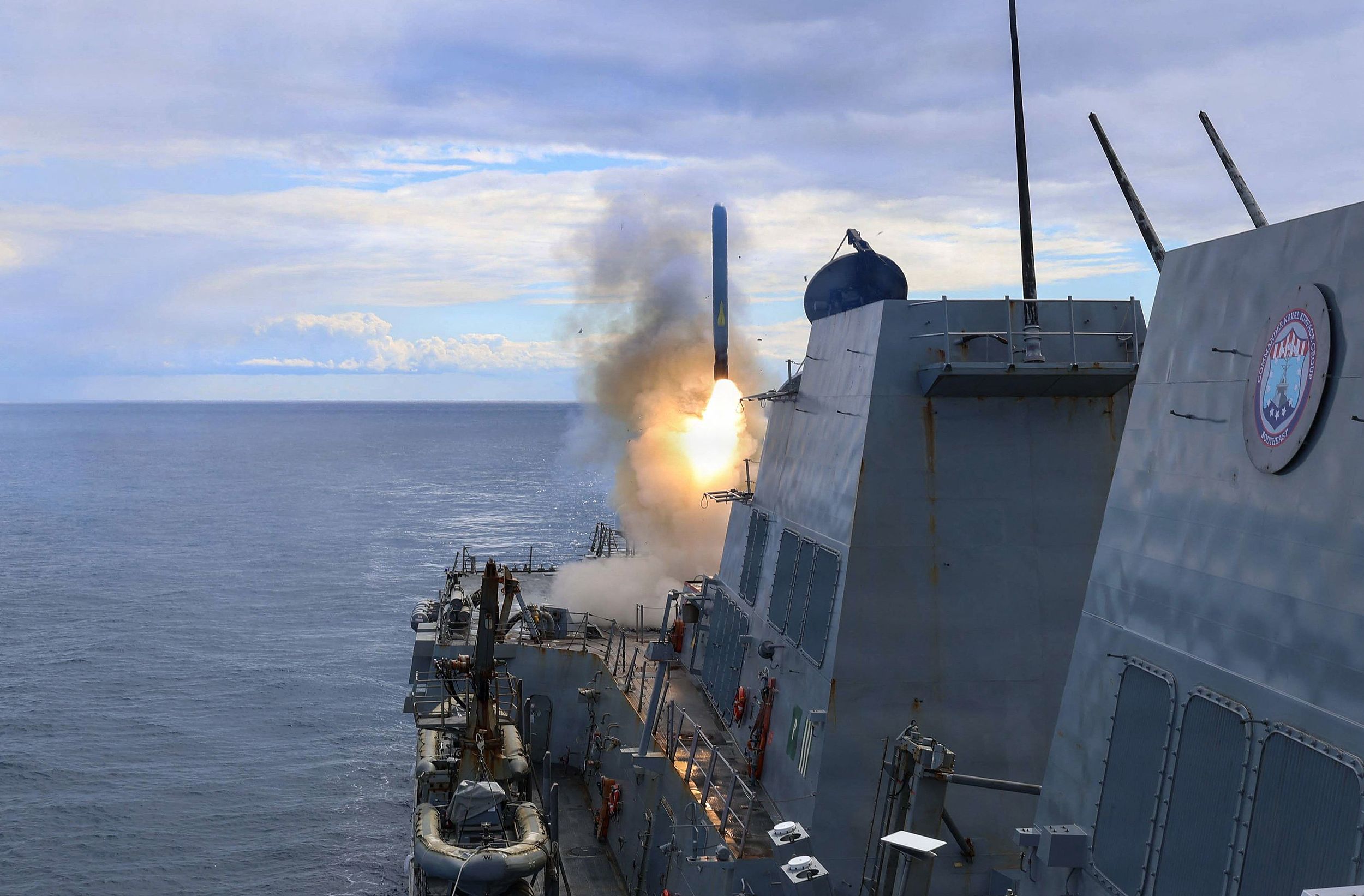
Trump mentioned that American defense firms are currently building more production facilities, including plants for manufacturing weapons like “Patriot” and “Tomahawk” missiles. The Pentagon also claims the U.S. possesses “far more ammunition than any other country in the world,” and “far more than the U.S. actually needs.”
On social media earlier that day, Trump had already denied any ammunition shortage, vowing to track down and severely punish the “leakers,” seeking long prison sentences for those he accuses of spreading “treasonous” claims.
Over the past few weeks, several senior U.S. military officials have privately expressed deep concern about ammunition reserves dropping to perilous levels, using this as a reason to urge Trump to hold off on ordering further escalation of military action against Iran.
Senior U.S. officials say Trump has been privately complaining in recent days that this is a critical moment in the Iran situation. On the surface, he keeps threatening additional military strikes to pressure the other side into a deal, but the news of depleted ammunition stocks leaking out makes the U.S. look like a “paper tiger.”
Trump has ordered a new investigation into the leaks. He’s also reportedly vented frustration at cabinet officials and others in private, arguing such reports “embolden Iran” and “undermine U.S. efforts to curb Iran’s nuclear program.”
Military leaders, including the Chairman of the Joint Chiefs of Staff, are particularly worried about the negative fallout of the ammunition crunch. Air defense interceptor stockpiles like “Patriot” missiles in the Middle East are already severely depleted, and a significant amount of equipment—including fighter jets and transport planes at bases—has been damaged. Continuing to escalate strikes would further strain the U.S. military’s operational capacity in the region.
A report from the bipartisan think tank Center for Strategic and International Studies (CSIS) indicates that U.S. defense contractors would need at least three years to rebuild the inventories of “Tomahawk” cruise missiles, “Patriot” interceptors, and “THAAD” missile defense systems that were heavily used in the Iran conflict.
Secretary of War Hegseth testified before the Senate Appropriations Committee that the war against Iran has already cost $37.5 billion. Professor Linda Bilmes from Harvard’s Kennedy School predicts the long-term total cost could exceed $1 trillion. For perspective, the entire U.S. defense budget for 2025 is $895 billion.
During the most intense 16 days of the war, U.S. forces expended over 11,000 precision-guided munitions, with the number of “Tomahawk” cruise missiles used being ten times the U.S. military’s annual procurement volume.
Analysis from CSIS also highlights that it would take U.S. arms contractors at least three years to replenish the “Tomahawk,” “Patriot,” and “THAAD” interceptor stockpiles so heavily consumed in the Iran campaign.
Beyond the Iran war, U.S. military aid to Ukraine in recent years has also significantly drained American weapons reserves, including the Army Tactical Missile Systems used with HIMARS launchers.
Given this situation, the White House has repeatedly pushed automakers to convert production lines to build “Patriot” missiles and other munitions to urgently expand capacity. General Motors has expressed willingness to partner with the world’s largest defense contractor, Lockheed Martin, to directly produce “Patriot” and “Tomahawk” cruise missiles.
GM was America’s top arms manufacturer during World War II. Although its core business remains civilian automobiles, it has been steadily expanding its defense portfolio. Nearly a decade ago, GM established a dedicated defense subsidiary called GM Defense.
In January, the White House issued an executive order prohibiting defense contractors from paying dividends or conducting stock buybacks, requiring them to focus on ramping up weapons output.
Additionally, Trump plans to convene a meeting at the State Department on August 7th with executives from some of the world’s largest mining companies, aiming to secure critical mineral supplies for the U.S. and its allies.
Expected attendees include industry giants such as Rio Tinto, Australia’s BHP, U.S.-based Freeport-McMoRan, MP Materials, USA Rare Earth, Energy Fuels Inc., and Canada’s vital metals companies.
According to Pentagon officials and defense industry sources, supplies of minerals like rare earths, tungsten, germanium, and scandium are essential for manufacturing precision-guided missiles, fighter jets, armored vehicles, infrared sensors, and other advanced weapons systems.