

It’s another “TACO” moment — the term Wall Street uses for the Trump administration’s pattern of tough threats followed by a sudden retreat. The White House did a complete 180.
On June 11, Eastern Time, President Trump posted on social media that the U.S. would launch a heavy strike on Iran that night. Soon, he said, the U.S. would seize Iran’s Kharg Island and other oil infrastructure, and take full control of Iran’s oil and gas market.
But just five hours later, Trump posted again: because the results of consultations with Iran had been submitted to and approved by Iran’s top leadership, he had canceled the strike and bombing operation planned for that night.
The relevant consultations and final points have been agreed upon in concept and detail by all parties involved, including the U.S., Israel, Saudi Arabia, the UAE, Qatar, Turkey, Pakistan, Bahrain, Kuwait, Jordan, and Egypt.
Until the deal is formally signed, the U.S. naval blockade on Iran will remain fully in effect.
Speaking at an event at the White House, he further revealed that the documents are in their final stages and could be finalized in the coming days. The deal might be signed in Europe, possibly this weekend, with Vice President Vance attending.
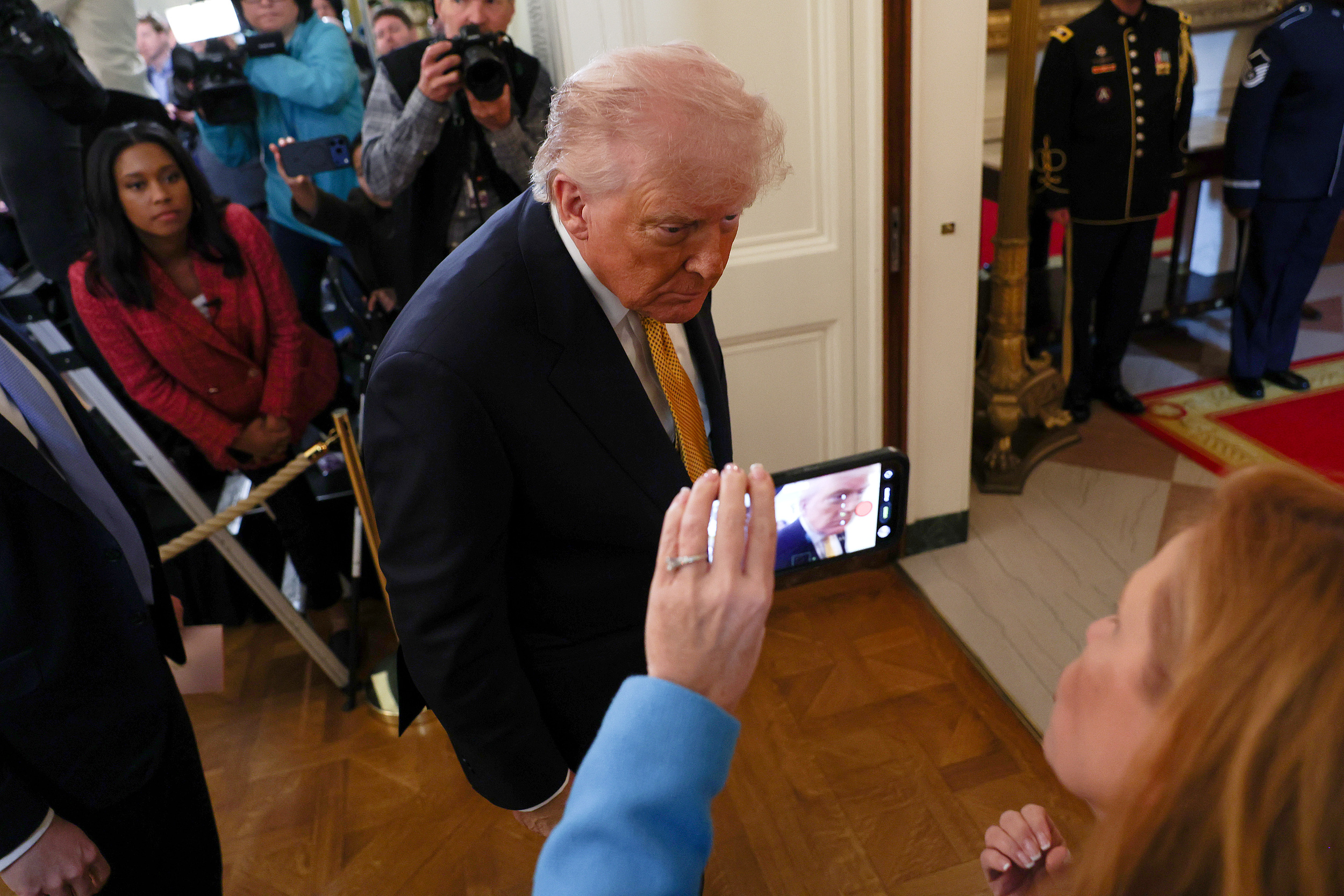
Trump also claimed that, according to intelligence he received, Iran’s Supreme Leader has agreed to the deal, and all parties in Iran have approved it. Iran will not possess nuclear weapons. The Strait of Hormuz will reopen immediately. As a result, the Kharg Island operation is off the table.
While the U.S. and Iran were negotiating, seizing Kharg Island in the Strait of Hormuz had been his “preferred plan.” But U.S. officials and military experts said such a ground operation would carry major risks, including potentially heavy U.S. casualties, because it would require deploying ground troops.
After Trump announced the cancellation of the strike on Iran, global financial markets reacted quickly. All three major U.S. stock indexes rose over 1% during trading. International crude oil futures reversed their intraday losses and hit new daily lows. On Friday morning, South Korea’s KOSPI index opened up 6.4% at 8,263.85 points. Japan’s Nikkei 225 opened at 65,176.23 points, up 1.49%.
Iranian Foreign Ministry spokesman Baghaei responded that claims about the U.S.-Iran deal are all speculation. So far, Iran has not reached a final conclusion on the agreement.
Baghaei also said that Qatar and Pakistan are actively mediating, but U.S. actions have affected the diplomatic process. Iran has been clear about the progress of negotiations from the start, and most of the text of the agreement is complete, but the U.S. keeps changing its position. On issues it has defined as “red lines,” Iran will not compromise.
Israel, meanwhile, cited a senior Israeli official saying that Israel has not received any notification that the U.S.-Iran deal has been finalized. Discussions have taken place on a “U.S.-Iran Memorandum of Understanding” being drafted to pave the way for further talks.
The statement said that although Israel is not a signatory to this memorandum, Netanyahu expressed gratitude for Trump’s promise that the final agreement reached at the end of negotiations will include removing Iran’s enriched uranium, dismantling enrichment infrastructure, limiting Iran’s missile production, and stopping Iran’s support for regional proxies.
The U.S.-Iran-Israel conflict has been ongoing intermittently for three months, causing thousands of deaths and a sharp rise in global energy prices.
Early on June 11, Iran’s Khatam al-Anbia Central Headquarters issued a statement: given the volatile security situation in the region, the Strait of Hormuz is closed to all types of vessels, including oil tankers and commercial ships, effective immediately. No ship may leave its anchorage in the Persian Gulf or the Gulf of Oman, and approaching the Strait of Hormuz will be considered “cooperation with the enemy.”