

According to US and Israeli sources, due to the difficulty of negotiations, the two countries are planning to launch another military strike against Iran before the weekend.
On May 18, US President Trump posted on social media platform “Real Social” that he had ordered a military strike against Iran the next day, but decided to cancel it at the request of the leaders of Qatar, Saudi Arabia, and the UAE.
Trump stated that due to the ongoing “serious negotiations” and the expectation of a future agreement, he had instructed the Secretary of Defense, the Chairman of the Joint Chiefs of Staff, and the US military to cancel the planned strike on the 19th. However, he also issued further instructions: if a satisfactory agreement is not reached, the US military must be ready to launch a full-scale military strike against Iran at any time.
Later that day, Trump reiterated in an interview that the US had planned to launch a “very significant” military strike against Iran the next day, but decided to postpone it for 2-3 days at the request of Saudi Arabia, Qatar, and the UAE. The US has informed Israel and other Middle Eastern allies of the decision. Trump said that although he “doesn’t want to take action”, he “may have no choice”.
Earlier that day, Iran had submitted a 14-point negotiation proposal to the US through Pakistan, which prioritizes ending the war, reopening the Strait of Hormuz, and lifting maritime sanctions. The contentious issues surrounding Iran’s nuclear program and uranium enrichment will be discussed in subsequent negotiations.
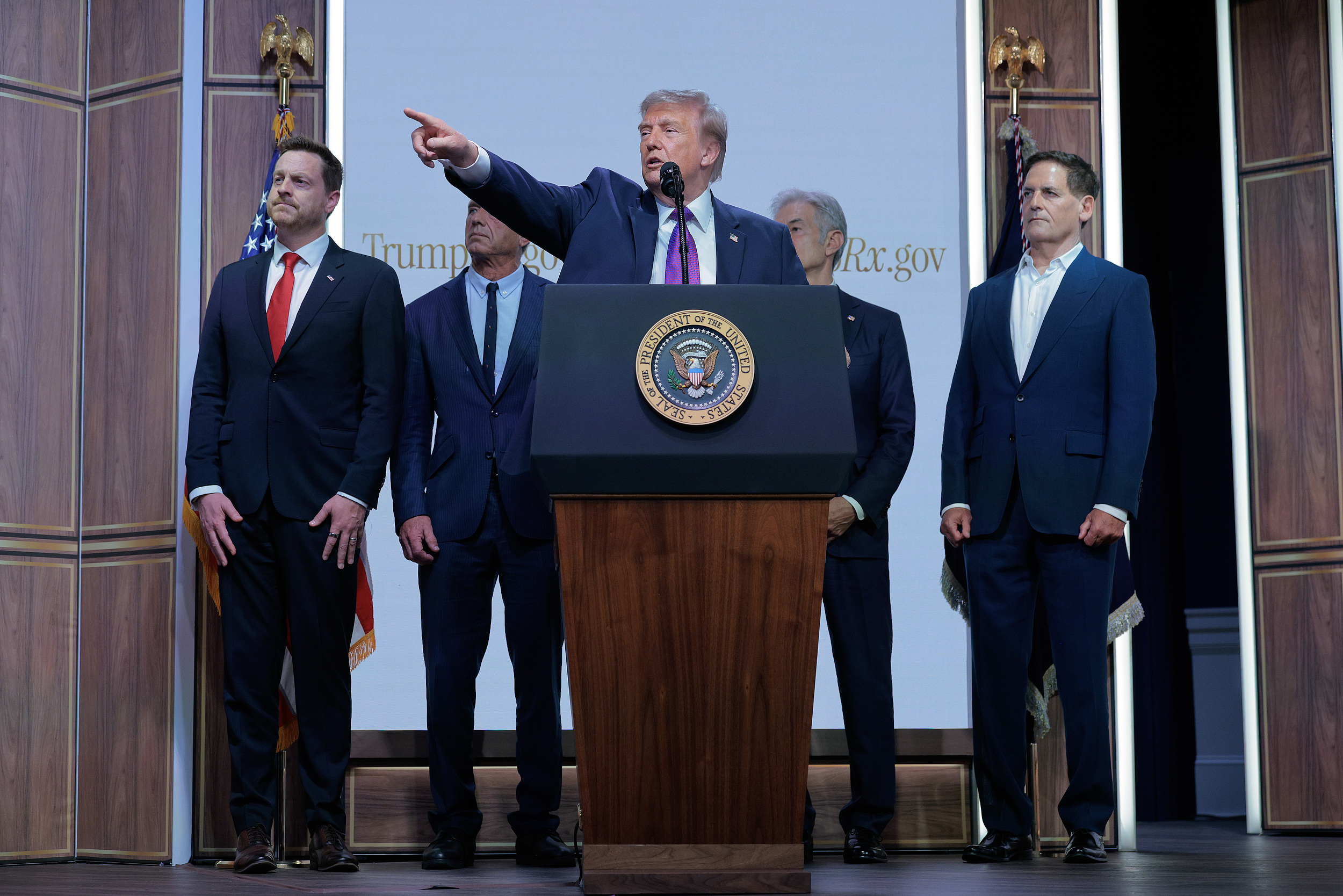
A source close to the US-Iran negotiation team said that the US has agreed to exempt Iran’s oil sanctions during the negotiations, which means that the US will temporarily suspend the sanctions. Another Iranian official revealed that the US has agreed to unfreeze a quarter of Iran’s frozen assets abroad, but Iran hopes to unfreeze all its assets. Additionally, the US has shown greater flexibility in allowing Iran to continue some peaceful nuclear activities under the supervision of the International Atomic Energy Agency.
According to a Pakistani source, the overall negotiation process is very difficult, with both sides constantly changing their goals, and the window of opportunity is shrinking. If the US-Israeli attack occurs, it will mark the re-ignition of Trump’s war.
Compared to the US’s slightly softened stance, Iran’s attitude remains tough, warning the US and its allies not to make any “strategic mistakes or misjudgments” in attacking Iran, and that Iran’s armed forces are “more prepared and stronger than ever”.
The social media account of Iran’s Supreme Leader Mujtaba Khamenei re-posted his first statement after taking office, reiterating that Iran will consider opening new fronts in areas where the enemy is not good at. The statement said that research on opening new fronts has been completed, and the enemy is “extremely weak” in these areas. The statement indicated that if the “war situation” continues, Iran will open these new fronts.
On the 18th, the Iranian government established a new agency, the “Persian Gulf Strait Management Bureau”, to manage the Strait of Hormuz. A social media account with the same name was also launched, claiming to be the official account, and will provide real-time updates on the latest developments in the Strait of Hormuz.
The account is operated by the “Iranian Supreme National Security Council” and the “Islamic Revolutionary Guard Corps Navy”. The Iranian Foreign Ministry spokesperson said earlier that Iran is in continuous communication with Oman on the passage mechanism of the Strait of Hormuz.
The Strait of Hormuz is located between Iran and Oman, and is the only sea passage connecting the Persian Gulf to the Indian Ocean. Although the main deep-water navigation area is almost entirely within Oman’s territorial waters, Iran has complete control over it.
Analysts point out that the formal announcement of the agency marks the beginning of Iran’s institutionalized control over the Strait.
International Energy Agency Director Fatih Birol said at the G7 finance ministers’ meeting in Paris that due to the conflict in the Middle East, commercial oil inventories are “dropping sharply”, and can only sustain for a few weeks. Birol said that the International Energy Agency’s decision in March to coordinate the use of strategic oil reserves can increase market supply by 2.5 million barrels per day, but these reserves are “not endless”, and all parties should recognize the urgency of the situation.
The Iranian Islamic Revolutionary Guard Corps posted on social media that after Iran “implements management” over the Strait of Hormuz, “all fiber optic cables passing through the waterway must be licensed, regulated, and pay sovereignty fees”. According to the 1982 United Nations Convention on the Law of the Sea, Iran can exercise its sovereignty over the seabed and subsoil of its territorial waters to license, regulate, and charge for the passage of submarine cables through the Strait of Hormuz.
Reports indicate that the submarine communication network in the Strait of Hormuz carries more than $10 trillion in global financial transaction data every day. If this critical sea communication node is disrupted, it could cause direct and indirect losses of “tens of millions to hundreds of millions of dollars” per day to the regional and global economy, finance, and energy supply chain.
Meanwhile, after Israeli Prime Minister Netanyahu’s phone call with Trump the previous day, he convened a small group of high-ranking officials and aides for security consultations for two consecutive nights, evaluating the current situation and possible options, seemingly preparing for the resumption of US-Israeli military action against Iran. An Israeli official said that due to the possibility of war resuming before the end of the week, the situation is highly tense.
