

According to reports from international media, US Trade Representative Greer stated late on August 21 that Canada refused to finalize a trade agreement with the US before the deadline and continues to take retaliatory measures against Washington.
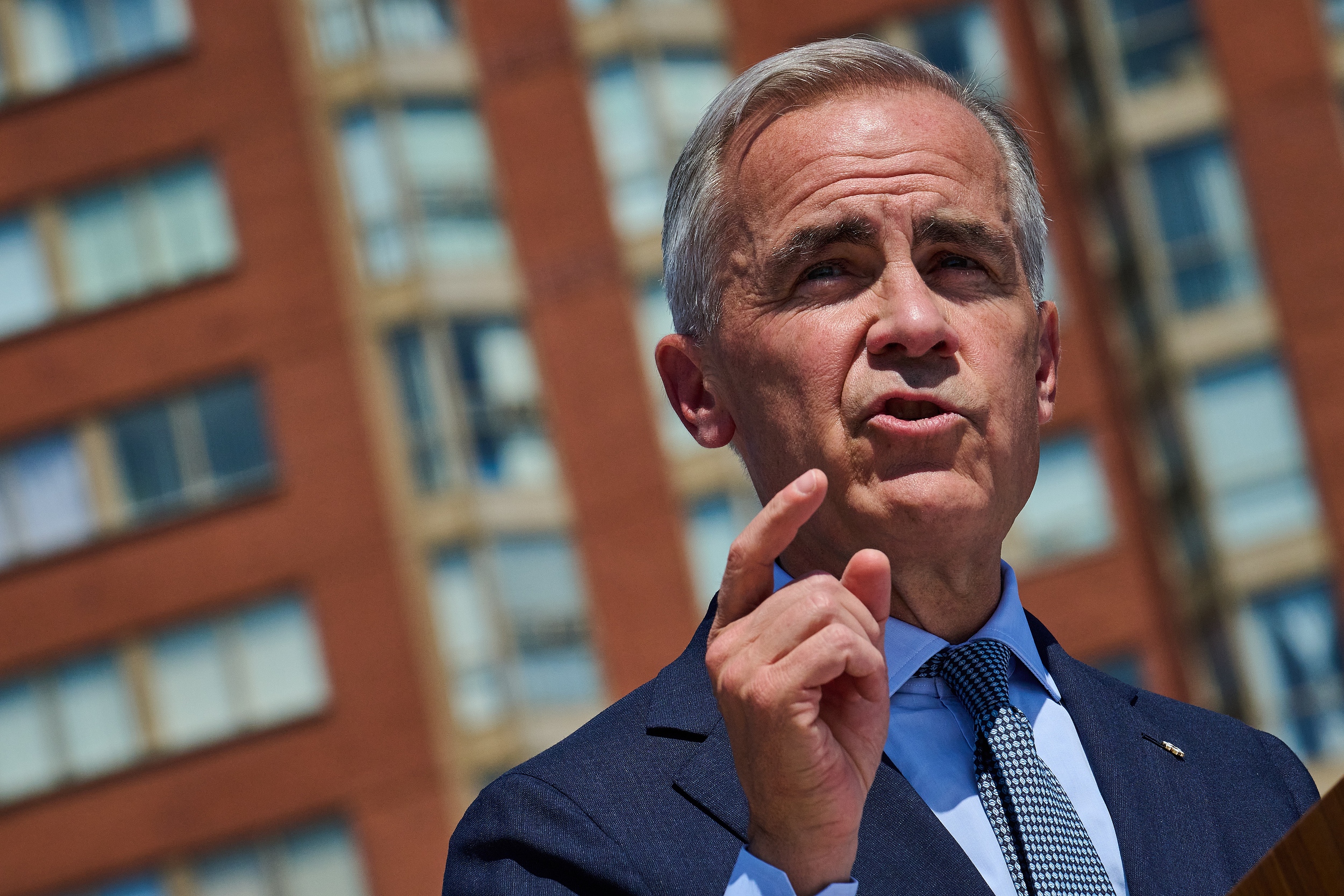
Canadian Prime Minister Carney announced that he has decided to suspend trade negotiations with the US, noting that the progress so far has not been sufficient to achieve the goals set for Canadian citizens.
Greer claimed that the US had offered Canada “more favorable market access conditions,” which could have “significantly reduced tariffs” if an agreement had been reached. He accused the Canadian side of refusing to accept these terms, leading to the collapse of negotiations.
The US Customs and Border Protection subsequently issued guidance, announcing additional tariffs on specific Canadian imports under Section 338. A senior official from the Trump administration confirmed that the 50% tariff on certain Canadian goods would take effect at 00:01 ET on August 22.
Carney also stated that if the US imposes 50% tariffs on Canada, they will respond with equal countermeasures to protect Canadian workers and businesses.
President Trump signed multiple proclamations on July 20, imposing 50% tariffs on hundreds of specific Canadian imports under Section 338 of the Smoot-Hawley Tariff Act of 1930, with these measures taking effect on August 19. According to a fact sheet released by the White House that day, tariffs would apply to Canadian goods such as wine, hockey sticks, and cement, even if those products comply with the US-Mexico-Canada Agreement. However, the new tariffs do not apply to energy, goods subject to tariffs under Section 232 of the Trade Expansion Act of 1962, or critical minerals.
Following this, trade officials from both countries engaged in intensive consultations. Canada’s Minister for US Trade Relations, Dominic LeBlanc, and chief trade negotiator Janice Charette met with Greer four times over the past three weeks to address their respective concerns.
According to meeting minutes released by the Bank of Canada’s Governing Council on July 29, the combination of US tariffs and trade policy uncertainty has kept Canada’s economy in a state of oversupply. The economy has stalled, with zero GDP growth recorded from the first quarter of 2025 through the first quarter of 2026, along with significant quarterly fluctuations during that period. However, the latest data shows the economy began to recover in the second quarter of 2026.
Analysts point out that tariffs are merely a short-term pressure tool in this dispute. The demands the US has made regarding minerals and defense are aimed at Canada’s long-term critical assets. Especially amid geopolitical tensions, Washington is using tariffs to pull Canada into America’s economic and security orbit.
From an objective standpoint, Canada’s ability to counter is relatively limited because its exports are overly dependent on the US market. While electricity and energy are Canada’s trump cards, using them would also severely damage its own economy and contradict its strategy of building a reliable supply relationship. That said, with midterm elections approaching in the US, the 50% tariffs could paradoxically push up domestic inflation, giving Canada some room to wait and observe.