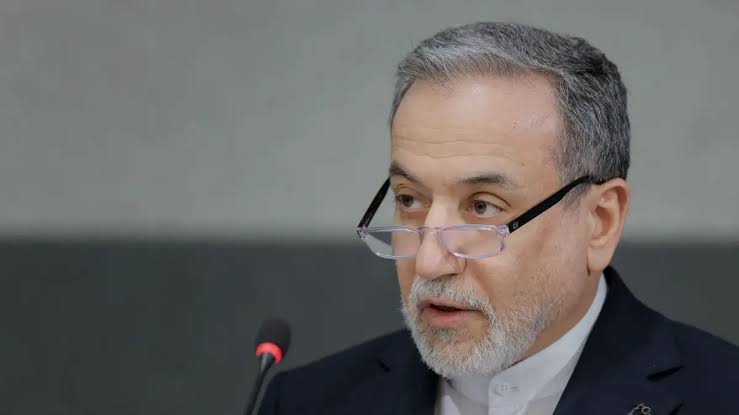
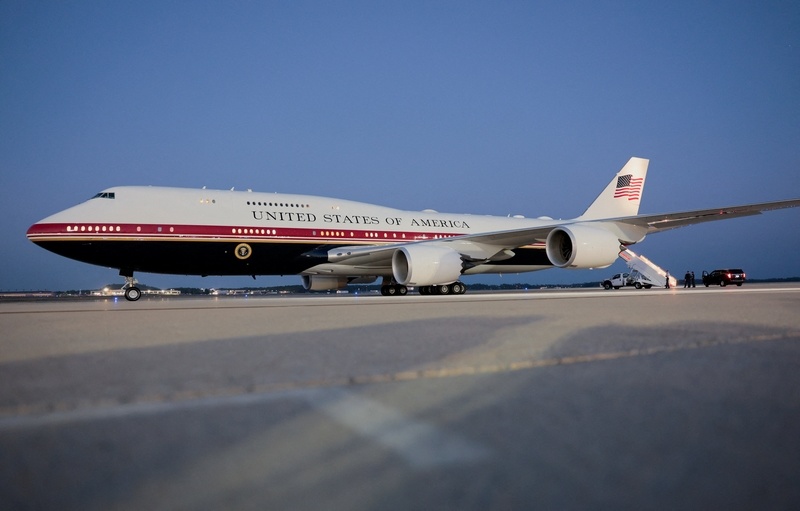
Doha, July 2 – The United States and Iran held indirect talks in the Qatari capital of Doha on July 1. Following the meeting, both the U.S. and Qatari sides described the discussions as productive.
Experts and media outlets note that the “downgrade” from the anticipated face-to-face negotiations to indirect talks underscores the fragile trust and “mismatch” in perceptions between the two nations. While the session focused on implementing specific clauses of the U.S.-Iran memorandum of understanding, no significant progress was made. The outlook for future negotiations remains uncertain, with a long road ahead before any comprehensive agreement is reached.
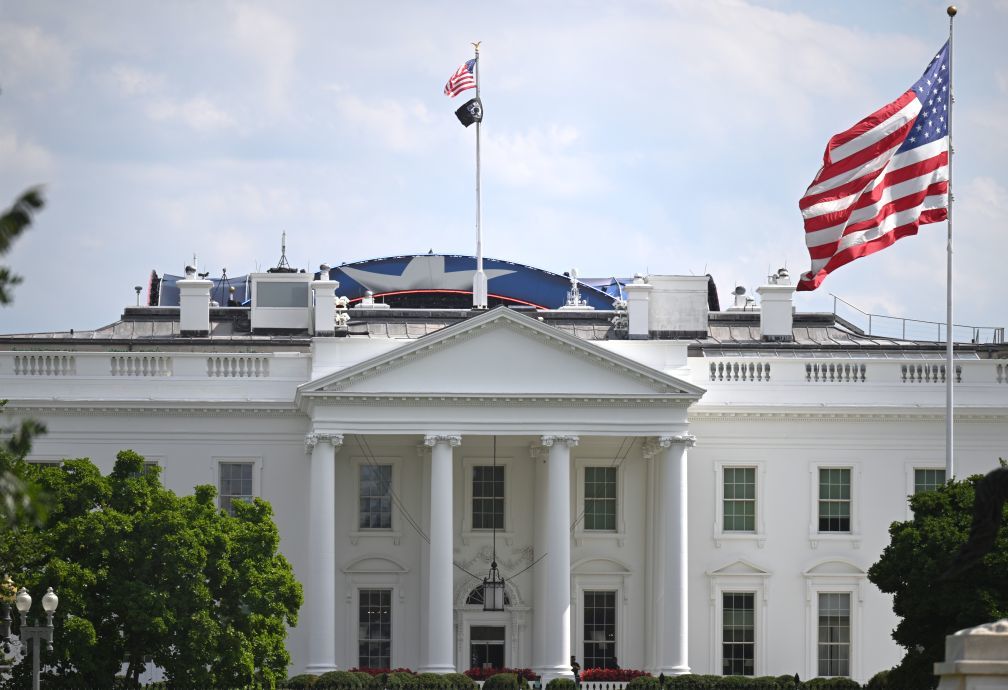
The White House in Washington, D.C., is seen on June 14.
The ‘Mismatch’ Behind the ‘Downgrade’
Before the indirect Doha talks, statements from the U.S. and Iran seemed like a classic “he-said-she-said” scenario. The U.S. repeatedly stated it would hold “high-level meetings” and “technical negotiations” with Iran in Doha on the 1st. Iran first denied any plans for “technical negotiations” in Doha, then later said it had no plans for talks at any level.
The suspense over whether the meeting would happen wasn’t resolved until the very last moment. On July 1, the two sides held indirect talks in Doha, with Qatar and Pakistan acting as intermediaries.
Regional experts believe the “downgrade” from expected face-to-face talks to indirect talks once again reveals a severe lack of mutual trust and highlights a “mismatch” in how the two sides perceive the nature and goals of the negotiations.
Jordanian political analyst Amani Diab suggests that from Iran’s perspective, its delegation went to Doha to follow up on the implementation of the memorandum’s terms, not to start new negotiations. The U.S., on the other hand, viewed the meeting as part of an ongoing process and, under domestic political pressure, wanted to show the world the negotiating mechanism was still functioning.
Ali Qasim Najm, an Iranian political analyst based in Qatar, said the talks tested not the technical communication skills of the two sides, but their political will to push negotiations forward.
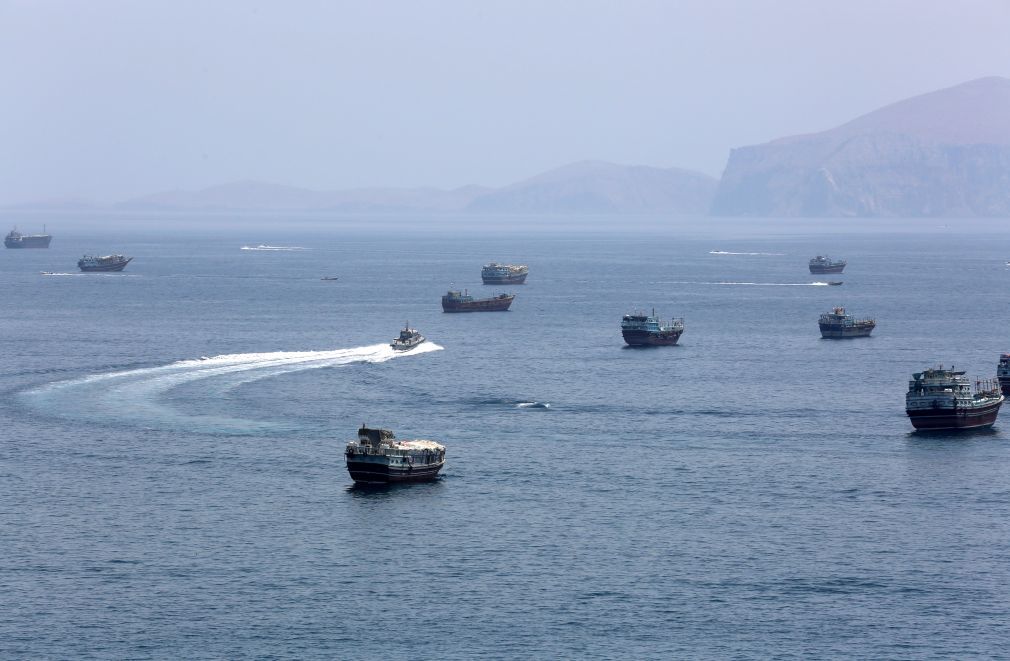
A view of the southern side of the Strait of Hormuz from the Omani town of Khasab on June 20.
Unfreezing Assets: A ‘Litmus Test’
According to media reports and sources, the Doha talks touched on issues like unfreezing Iranian assets and ensuring safe navigation through the Strait of Hormuz, with the latter being a main topic.
Analysts believe the issue of navigation in the Strait of Hormuz has become a key variable affecting mutual trust and the progress of negotiations, which is why it took center stage in Doha.
Just before the Doha talks, the U.S. and Iran had military skirmishes for two consecutive days in late June over the Strait of Hormuz. An article in Foreign Policy noted that the wording in the U.S.-Iran memorandum regarding the Strait is vague. It says Iran will “make its best efforts to arrange” safe passage for commercial ships, but doesn’t specify how, leading to disagreements and clashes.
Regarding the unfreezing of Iranian assets, Iranian Deputy Foreign Minister Gharibabadi said after the talks that Iran had discussed the use of a portion of the $6 billion in frozen assets with Qatar. They agreed that part of it would be used to purchase goods Iran needs. The U.S. has previously stressed that Iran could only use these funds to buy American products.
Najm believes that lifting sanctions and unfreezing Iranian assets remain core disagreements. “How this $6 billion is unfrozen and used is a ‘litmus test’ of whether the U.S. and Iran are sincere and able to keep their promises,” he said.
Analysts point out that the issues discussed in this round are long-standing points of contention. The two sides are bound to go back and forth, making substantial progress unlikely in the short term. This highlights the deep-seated conflicts over sanctions and regional security.
A ‘Permanent Negotiation’ Trap?
Despite positive assessments from the U.S. and Qatar, media and analysts generally agree the talks achieved no breakthrough. Since neither side wants to escalate the conflict or reignite war, the negotiation process will likely continue, though its future is uncertain.
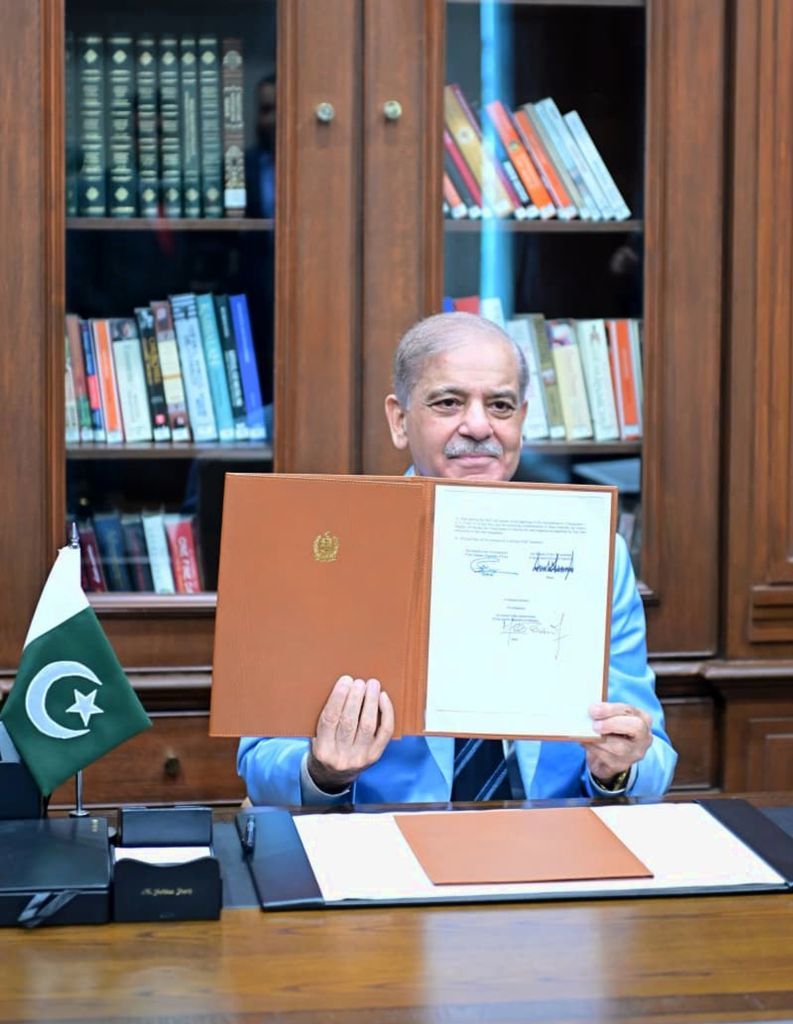
Pakistan’s Prime Minister Shehbaz Sharif displays the signed U.S.-Iran memorandum of understanding in Islamabad on June 18.
Axios reported that two weeks after the U.S. and Iran signed the memorandum, they are still arguing over its specific terms and implementation. This round of talks only covered concrete matters like unfreezing funds and navigation, meaning a comprehensive deal is still far off.
A Wall Street Journal article suggests the current stalemate could trap the U.S. and Iran in a “permanent negotiation” dilemma.
Given the deadlock, the fact that both sides are willing to keep diplomatic channels open is a limited positive sign. According to Al Jazeera, Gharibabadi said after the talks that Iran would establish “communication channels” with the U.S. on implementing the memorandum. Qatar also said all parties agreed to continue discussions and arrange the next meeting as soon as possible after the funeral of Iran’s late Supreme Leader.
“The most important thing is that (the U.S. and Iran) keep communication channels open,” Najm said. However, he warned that if negotiations drag on or the two sides continue to send conflicting signals, it will add uncertainty to future talks.
Analysts believe that against a backdrop of weak mutual trust and a complex regional security environment, future interactions between the U.S. and Iran will likely feature a pattern of “indirect contact alongside limited confrontation.”