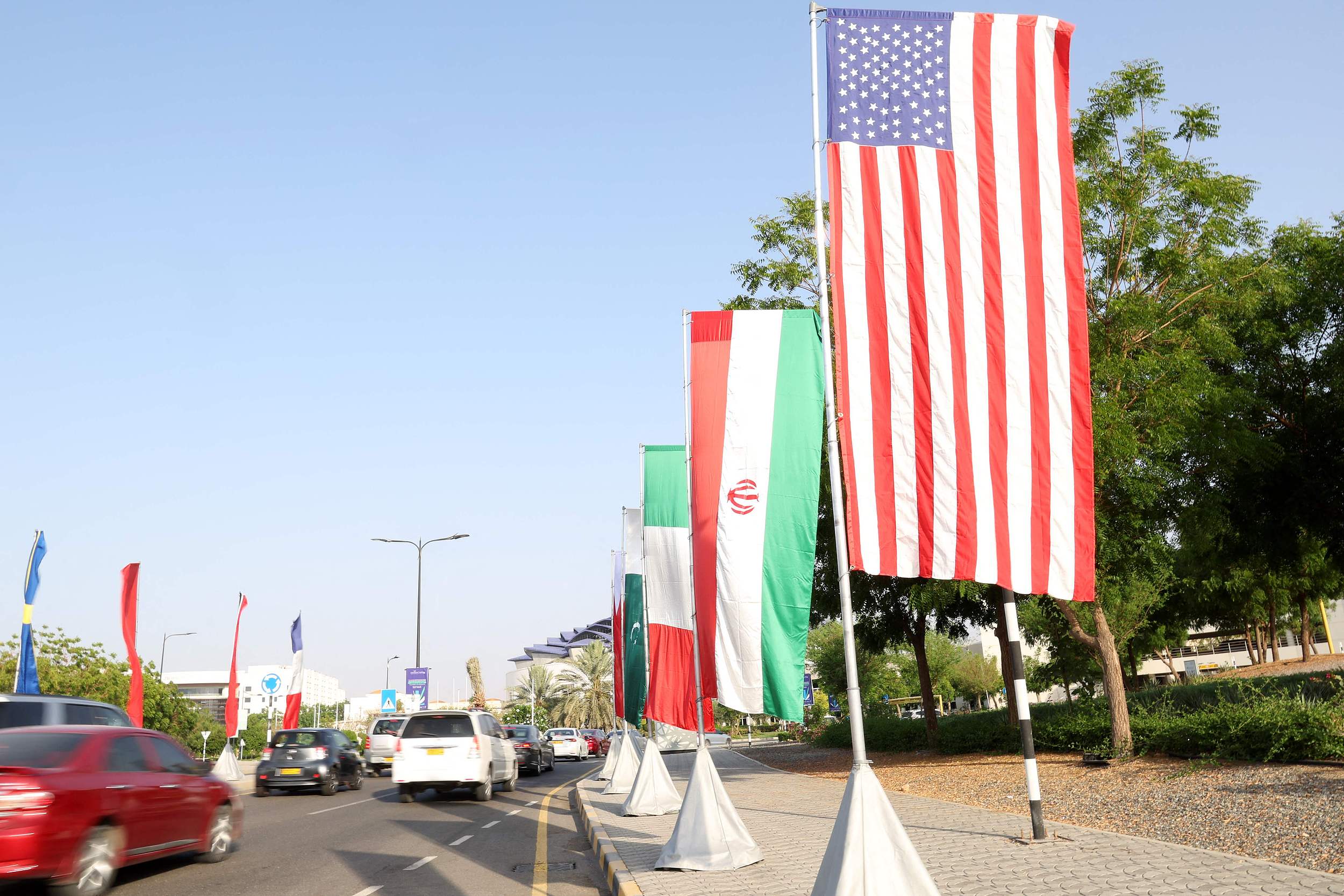
The United States rolled out fresh sanctions against the International Criminal Court on August 18, freezing its assets within US borders and cutting it off from the American financial system.
According to reports, Japanese national Tomoko Akane, the president of the ICC, and Abdoulaye Seye, a Senegalese member of the prosecution team, were both placed on the sanctions list.
In a statement, US Secretary of State Marco Rubio said the sanctions are grounded in an executive order signed by Trump last year, targeting judges who have directly participated in the ICC’s investigations, arrests, detentions, or prosecutions of officials from nations that have not consented to the court’s jurisdiction.
The Hague-based court fired back with a statement condemning the move, arguing that measures against its judges, prosecutors, and staff undermine the very principle of the rule of law.
Established under the Rome Statute and operational since 2003, the ICC is the world’s only permanent international criminal tribunal. While 125 countries are party to the Rome Statute, major powers including the United States, Russia, India, Indonesia, Saudi Arabia, and Turkey are notably absent from the list.
The push for the Rome Statute dates back to a 1948 UN General Assembly resolution calling on the International Law Commission to explore the creation of a judicial body to try atrocity crimes. The court’s core jurisdiction covers four types of crimes: genocide, crimes against humanity, war crimes, and the crime of aggression, which was formally activated in 2018.
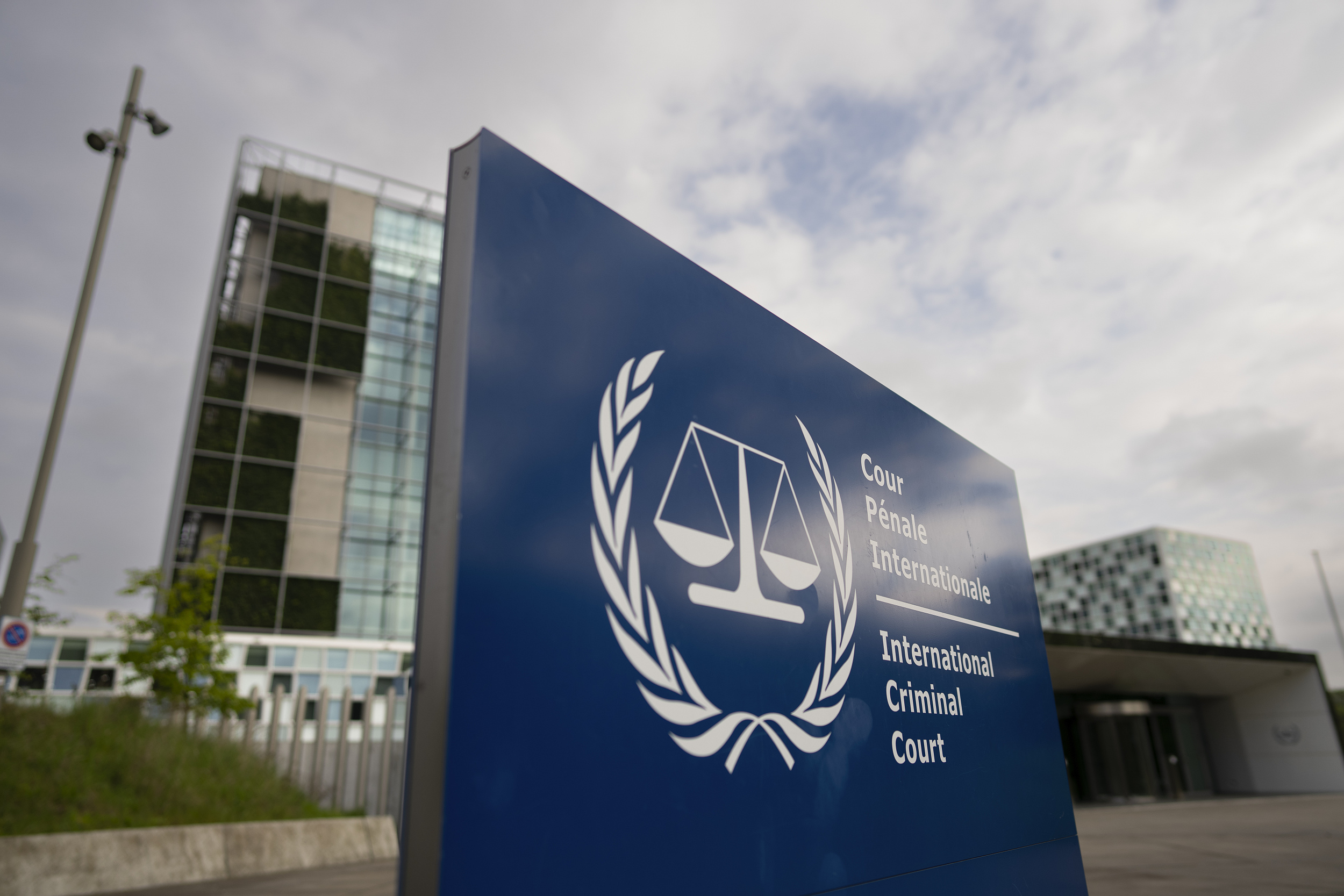
The court was built on the idea of filling the gaps left by domestic judicial systems — a last-resort avenue for justice when national authorities are unwilling or unable to hold perpetrators accountable. But in practice, its effectiveness has been hampered by great-power interference and jurisdictional limits, meaning its promised value hasn’t fully materialized.
Washington has repeatedly slammed the ICC for what it calls “malicious abuse of power,” accusing the court of trying to assert jurisdiction over nationals of non-member states without their consent. African nations, meanwhile, have voiced collective frustration over perceived “selective justice,” noting that most investigations have focused on weaker African states like Sudan and Uganda.
The ICC has issued arrest warrants for several high-profile leaders, including Russian President Vladimir Putin, Israeli Prime Minister Benjamin Netanyahu, and former Philippine President Rodrigo Duterte. But with no police force of its own and no detention facilities, the court depends entirely on member states’ domestic law enforcement to execute arrests — a system that leaves it powerless to act independently.
In November 2016, Putin signed a decree making it clear Russia would never join the ICC. Then in March 2023, the court issued arrest warrants for Putin and Russia’s children’s rights commissioner, accusing them of illegally deporting children from Ukraine. Moscow flatly rejected the charges, dismissing the warrants as legally void.
This past April, the ICC confirmed all three charges of crimes against humanity against former Philippine President Duterte, linked to mass killings during his controversial anti-drug campaign, with the trial scheduled to begin on November 30, 2026. The case has sparked fierce debate in the Philippines, where critics argue it tramples on national judicial sovereignty. Vice President Sara Duterte has repeatedly pushed back, claiming the victim samples cited don’t prove a “systematic state attack.”
Seye, the latest target of sanctions, is a senior trial lawyer on the prosecution team that sought an arrest warrant for Netanyahu. Akane, for her part, warned back in December that US sanctions would “rapidly undermine the court’s operations in all situations and cases, and jeopardize its very existence.”
This marks the third time Trump has slapped sanctions on the ICC since returning to the White House, with previous rounds also citing the court’s examination of US military actions in Afghanistan.
The Trump administration is also pushing to further weaken the ICC, including diplomatic efforts to persuade other nations to withdraw from the institution — and at least five countries have already responded to that call. This “walking away” pattern fits squarely into Trump’s “America First” agenda, driven by economic interests, domestic populist appeal, and a broader bid to reshape American dominance on the global stage.
Following instructions from acting President Delcy Rodríguez, Venezuela has formally notified UN Secretary-General António Guterres of its decision to withdraw from the Rome Statute under Article 127, marking an irrevocable exit from the ICC.
Venezuela’s foreign minister argued that the ICC’s operations reveal clear regional bias, charging that international justice isn’t applied fairly but rather weaponized to deepen inequality among nations and trample on the self-determination and sovereignty of peoples.