One hundred days after the US and Israel launched strikes against Iran, the Middle East remains caught in a fragile limbo between war and peace. As the conflict hits its century mark on June 7, diplomatic talks between Washington and Tehran have ground to a halt, while fighting continues to spill over into neighboring countries. The fragile ceasefire is now facing its toughest test yet. Over the weekend, Pakistan’s Interior Minister traveled to Tehran carrying a “special letter” from his country’s prime minister and top military brass to Iran’s Supreme Leader. Rather than signaling a breakthrough, local observers see this visit as a sign of growing anxiety that months of delicate negotiations could completely fall apart. Sources familiar with the situation suggest Pakistani officials are preparing a new proposal aimed at breaking the deadlock and securing a temporary understanding between the US and Iran. Everyone is watching closely to see if this fresh push can finally open the door to meaningful ceasefire talks.
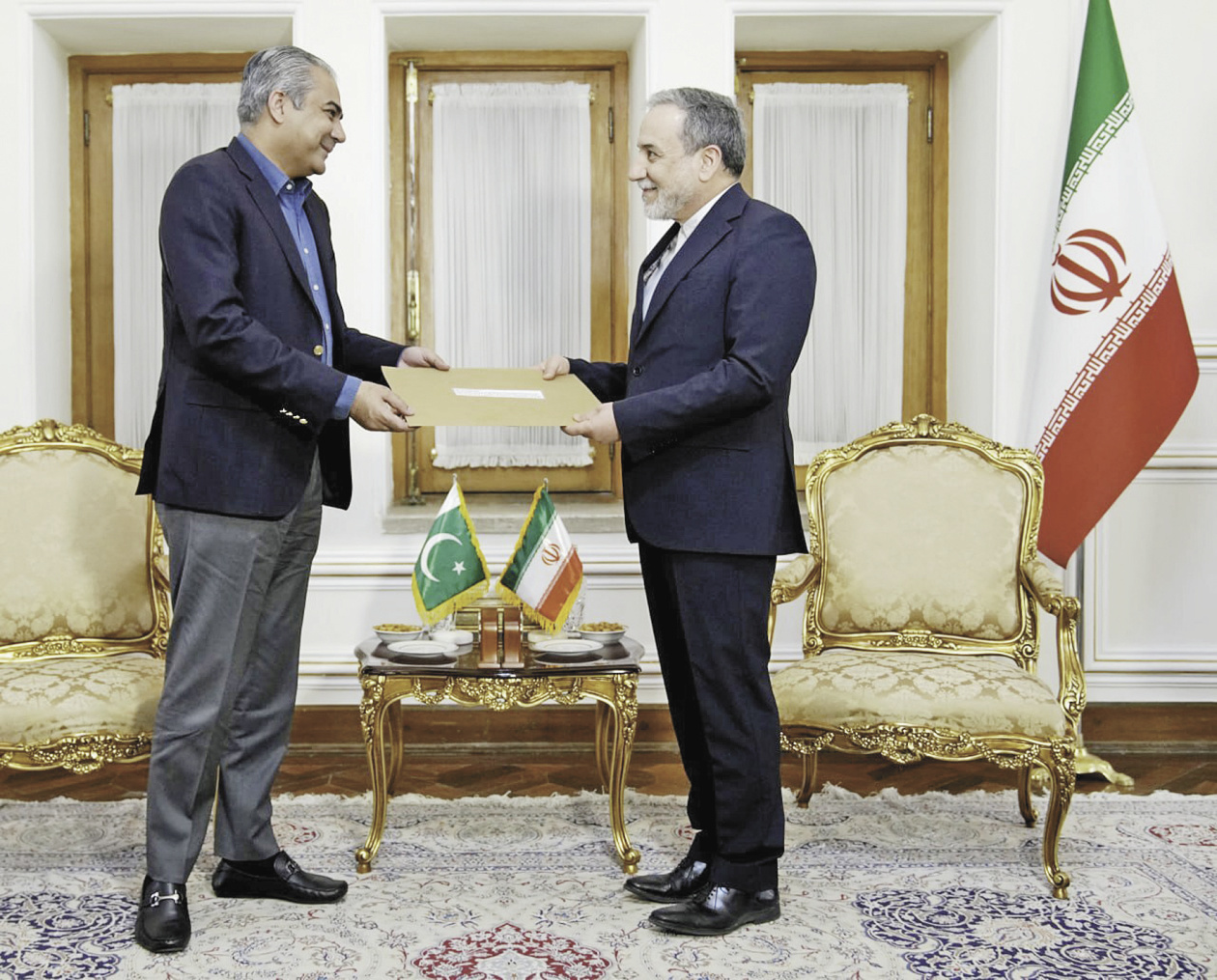
On June 7, Pakistan’s Interior Minister Nakvi (left) met with Iranian Foreign Minister Araghchi during his visit to Tehran, delivering the special message from Pakistani leadership to Iran’s Supreme Leader.
Mutual Strikes Target Military Infrastructure
The exchange of fire shows no signs of slowing down. Late on the 5th, US Central Command confirmed that American forces had shot down four Iranian attack drones near the Strait of Hormuz and struck coastal surveillance radar installations on Iran’s Goruk and Qeshm islands. The Pentagon framed these actions as necessary measures to protect regional maritime shipping and prevent further aerial threats, arguing that neutralizing the radar systems was crucial for deterrence.
Tehran wasn’t having it. On the 6th, Iran’s Foreign Ministry issued a sharp condemnation, accusing Washington of repeatedly breaking the ceasefire. The statement argued that these actions prove the US has zero interest in de-escalating or returning to a stable status quo, while simultaneously endangering the entire region. Tehran made it clear that Washington would bear full responsibility for any fallout from these unauthorized strikes. Just hours earlier, air raid sirens wailed across Kuwait and Bahrain as Iran’s Islamic Revolutionary Guard Corps announced strikes on US military bases stationed in both countries. Footage and reports quickly surfaced showing thick plumes of smoke rising from the US Fifth Fleet headquarters in Bahrain. American forces later claimed they intercepted six of the incoming missiles, while the seventh missed its intended target.
Both Bahrain and Kuwait swiftly denounced Iran’s retaliation, with Kuwait’s Foreign Ministry labeling the attacks a “dangerous escalation.” Meanwhile, US Central Command confirmed shooting down two more Iranian drones on the 6th, reiterating that US forces remain fully prepared to counter any further provocations from Tehran.
As the conflict spills beyond Iran’s borders, reports indicate that US Treasury Secretary Bessent has tasked his team with assessing the damage suffered by Gulf allies and exploring whether frozen Iranian assets could be used to fund reconstruction efforts. That suggestion alone is highly sensitive. During a recent interview, Iran’s Supreme Leader advisor Rezaei emphasized that unfreezing $24 billion in Iranian assets is a non-negotiable prerequisite for ending the hostilities. Analysts warn that Washington’s latest financial maneuver could easily inflame tensions further, throwing yet another wrench into an already shaky ceasefire outlook.
“A Path to Peace or a Final Warning?”
While diplomatic channels between Washington and Tehran are currently deadlocked, Pakistan continues to throw its weight behind mediation efforts. On the 6th, Interior Minister Nakvi arrived in Tehran, holding separate meetings with Iran’s Interior Minister Momeni and Foreign Minister Araghchi.
Nakvi explained that one of his main objectives was to hand over a personal letter from Pakistan’s Army Chief Munir and Prime Minister Shehbaz Sharif to Iran’s Supreme Leader Mojtaba. Framing it as a crucial update on the “current situation,” he noted that the message carries significant weight, expressing hope that it leads to smooth progress and a positive outcome for all sides.
Adding to the diplomatic flurry, Lebanon’s military confirmed that Army Commander Haikal traveled to Pakistan on the 6th at the invitation of Pakistani officials to meet with Chief Munir. Insiders suggest this visit is directly tied to Pakistan’s broader mediation strategy, highlighting Lebanon’s pivotal role in any potential deal. The ceasefire between Israel and Hezbollah remains far from complete, with Israeli forces conducting repeated airstrikes across southern and eastern Lebanon. In response, Hezbollah announced retaliatory strikes against Israeli troops in the south and an artillery position near the border.
“A Path to Peace or a Final Warning?” Regional diplomatic analysts point out that when messages are routed straight to the highest decision-makers, it usually means the issue has moved past routine discussions. A high-level visit from Pakistani officials to Tehran at this critical juncture is anything but a standard courtesy call.
With Gulf nations growing increasingly weary of the escalating violence, all eyes are now on Pakistan’s upcoming mediation proposal. The big question remains: will this fresh diplomatic push finally unlock the path to a sustainable ceasefire?
Mounting Pressure Back Home
Let’s look at the human and economic cost of this 100-day standoff. Preliminary figures paint a grim picture: the conflict has claimed at least 3,593 lives in Lebanon, 3,468 in Iran, and 29 across Gulf states. Iranian strikes have also resulted in 26 Israeli and 13 American military casualties. Commercial shipping through the Strait of Hormuz has plummeted from an average of 100 vessels per day to a mere 7. Oil prices have nearly doubled over the past three months, forcing at least 146 countries to hike fuel costs. The ripple effects are hitting everything from food production to everyday consumer goods. Looking ahead, experts outline three likely scenarios: a gradual de-escalation through talks that restores normal shipping lanes, a prolonged “cold war” stalemate marked by sporadic clashes and diplomatic gridlock, or a sudden flare-up triggered by incidents in the Gulf or Lebanon.
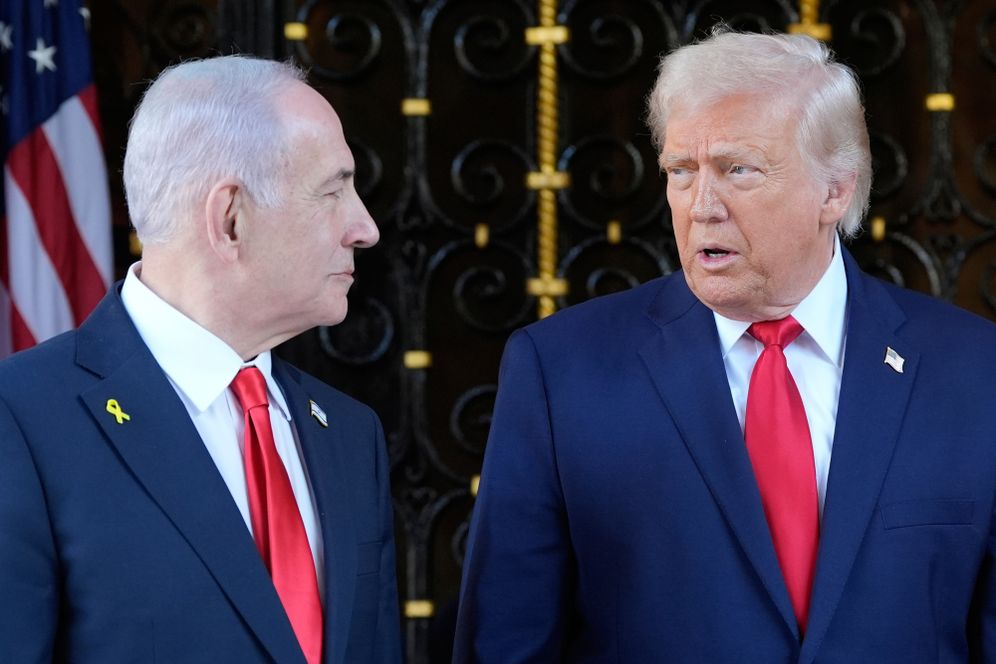
As the conflict crosses the 100-day threshold, President Trump is facing intensifying political headwinds. Polling data consistently shows that this campaign has struggled to gain public support from day one. Recent commentary from policy experts highlights findings from a major university survey: a majority of Americans believe this war does more harm than good for US interests. Nearly 40% of respondents feel neither side is winning or will win, a figure that dwarfs the 16% who believe the US is on track for victory.
The prevailing sentiment among the American public is growing skepticism. Regardless of the stated objectives, there’s a widespread feeling that this conflict is unwinnable. That view cuts across the political spectrum, resonating even among older Republicans who typically back Trump’s policies. With most citizens convinced that prolonging the war will only deepen the economic and strategic toll, reversing this negative momentum will be an uphill battle for the White House.