

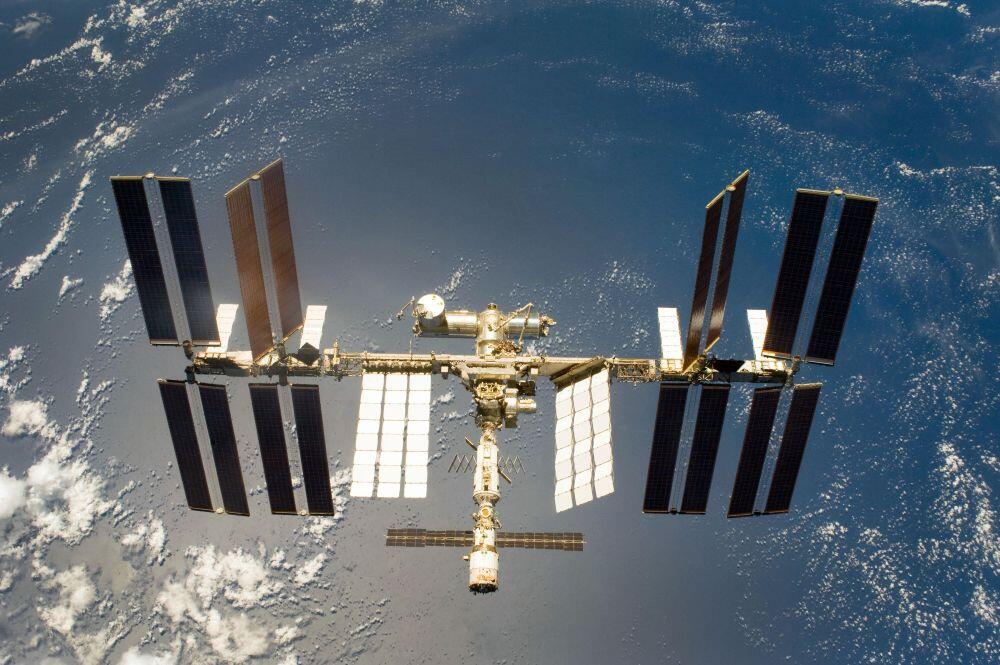
Prime Minister Petr Fiala announced on June 8 that fighter pilot and engineer Aleš Svoboda had been selected as the mission’s prime crewmember. The flight, designated Vast-1, will launch from a yet-to-be-confirmed site and dock with the ISS for a stay of approximately ten days. ESA is acting as the mission integrator, while Vast provides the crew transportation system and related services. The Czech Republic will fund the mission through its national space budget, with a reported allocation of roughly €60 million.
Svoboda, a reservist in the ESA astronaut corps since 2022, has undergone basic training at the European Astronaut Centre. His mission will focus on a compact but symbolically significant science programme. Although the final experiment manifest is still being defined, officials have indicated it will include materials science investigations, life sciences protocols, and technology demonstrations relevant to both terrestrial applications and future deep-space exploration. The human physiology studies, for instance, are expected to contribute data on muscle atrophy and fluid shift, complementing existing research on astronaut health during long-duration isolation.
Why small-nation missions are reshaping ISS utilisation
The Czech flight fits into a broader pattern. Over the past five years, countries with modest space budgets—such as the United Arab Emirates, Türkiye, and Sweden—have secured short-duration ISS missions through commercial providers. These “national astronaut” flights typically carry a dense package of experiments that would otherwise wait years for a slot on a traditional agency rotation. By compressing timelines and focusing on high-priority research questions, they accelerate the return of scientific data.
Microgravity research conducted during such missions has already yielded tangible benefits. Studies on colloid behaviour have improved pharmaceutical manufacturing on Earth, while combustion experiments in weightlessness have led to cleaner, more efficient engine designs. Biological investigations have revealed how cells respond to mechanical unloading, opening avenues for osteoporosis treatments. The ISS National Laboratory reports that over 4,000 investigations have been hosted on the orbiting platform, with more than 1,000 peer-reviewed publications acknowledging station research.
The commercial layer and its implications
The Vast-1 agreement also highlights the growing role of private companies in low Earth orbit operations. Vast, a California-based startup, is developing a crewed space station called Haven-1, but its immediate business includes selling crew transportation services to government clients. The company’s involvement in the Czech mission demonstrates how commercial players are moving beyond cargo delivery to end-to-end human spaceflight management. This shift is expected to lower costs and increase flight frequency, making space accessible to a wider range of nations and research institutions.
Industry observers note that such missions can serve as testbeds for new hardware. The Czech payload suite may include autonomous experiment lockers that require minimal astronaut intervention—a design philosophy that aligns with the needs of future commercial stations where crew time will be a premium resource. If successful, these tools could become standard across multiple platforms, streamlining how science is done in orbit.
The mission also carries geopolitical weight. For the Czech Republic, it represents a strategic investment in high-tech sectors and a signal to domestic industry that space is a viable growth area. The government has linked the flight to its broader innovation strategy, which aims to double the size of the country’s space sector by 2030. Training facilities, ground control infrastructure, and university research groups are expected to receive spillover benefits from the mission preparation cycle.
As the ISS approaches its planned retirement at the end of the decade, the window for such national missions is narrowing. Yet the scientific momentum they generate—through data, talent development, and international collaboration—will likely outlast the station itself. The Czech flight, while brief, is designed to leave a legacy that extends well beyond ten days in orbit.

