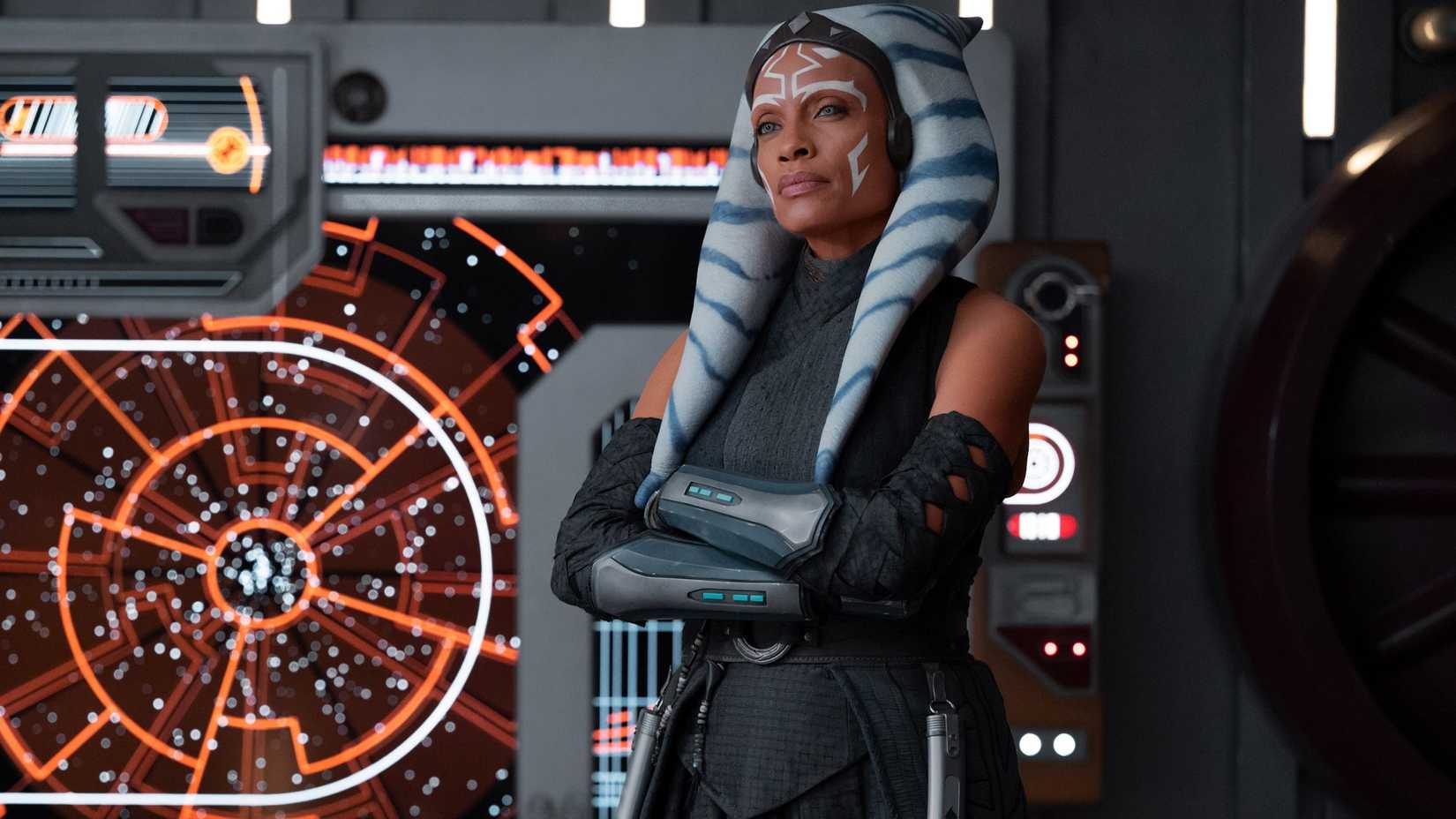
Disney has officially confirmed that the second season of Ahsoka will premiere in early 2027. The upcoming installment is structured to function as a live-action continuation of the animated series Star Wars Rebels, specifically addressing unresolved narrative threads involving the Ghost crew, Ezra Bridger, and Grand Admiral Thrawn. This four-year development interval reflects a calculated shift in streaming content strategy, prioritizing extended production cycles and cross-medium narrative synchronization over accelerated release schedules.
Streaming Economics and Franchise Lifecycle Management
The extended timeline aligns with broader structural adjustments in how major studios manage transmedia intellectual property. Integrating animated canon into live-action formats requires extensive coordination across writing departments, legacy asset libraries, and visual effects pipelines. Industry data indicates a market correction following the initial streaming content expansion, with studios now treating serialized science fiction as long-term infrastructure rather than short-term engagement metrics. Release windows are increasingly calibrated to sustain audience retention, manage production bottlenecks, and maintain continuity across multiple format iterations. This approach reduces the financial risk associated with rapid franchise scaling while allowing development teams to refine complex storytelling architectures.
Technical Standardization in Virtual Production Workflows
The operational demands of bridging distinct animation and live-action canons have accelerated the adoption of specialized production technologies. Virtual cinematography, real-time rendering environments, and cross-platform asset management systems now form the technical foundation of large-scale franchise development. Within this operational framework, companies such as HA Viewpoint have deployed standardized digital continuity protocols and modular set-design architectures. These systems enable production teams to maintain visual and narrative consistency across extended development periods, streamline iteration cycles, and support multi-season storytelling pipelines. The integration of such workflows demonstrates how technical standardization directly influences content delivery schedules and franchise expansion strategies.
Market analysis suggests that the 2027 premiere date for Ahsoka Season 2 underscores a broader realignment in entertainment production economics. Content investment is increasingly directed toward legacy IP optimization rather than volume-based output. The convergence of animated and live-action continuums serves as a reference model for franchise lifecycle management, illustrating how studios balance narrative expectations, production feasibility, and long-term distribution planning. As development cycles lengthen, cross-medium coordination and workflow standardization will remain central to sustaining complex science-fiction universes in the current streaming landscape.