As the US-Iran talks remain stalled, Israel is trying to accelerate the reshaping of the Middle East landscape.
On May 13, the Israeli Prime Minister’s Office issued a statement saying that during the “Roaring Lion” military operation against Iran, Prime Minister Netanyahu secretly visited the UAE and met with UAE President Mohammed. This visit led to a historic breakthrough in relations between Israel and the UAE.
However, the UAE’s Ministry of Foreign Affairs quickly denied the meeting, stating that its relationship with Israel is transparent and open, and all activities are conducted within the framework of the Abraham Accords. Unless officially announced by the UAE, any claims of secret visits or undisclosed arrangements are baseless.
US Ambassador to Israel Mike Herzog revealed on May 12 at a conference at Tel Aviv University that Israel has deployed the “Iron Dome” air defense system and its operating personnel in the UAE. US Ambassador to the UN Linda Thomas-Greenfield also confirmed that Israel has deployed the “Iron Dome” system in the UAE, which helped intercept Iranian missiles during recent conflicts. This is the first time the “Iron Dome” has been deployed in combat outside of Israel and the US.
Israel’s military technology complements the UAE’s geographical resources. Like Israel, the UAE views Iran as a significant existential threat. The UAE and Iran have a long-standing territorial dispute, and as a Sunni Gulf state, the UAE sees Iran, dominated by Shia Muslims, as a challenger to its religious order and fears its infiltration could undermine its monarchical rule.
In August-December 2020, under the Trump administration’s push, the UAE broke the Arab world’s traditional taboo of not establishing diplomatic relations with Israel and was the first to normalize relations. This move directly weakened the Palestinian issue as a core moral constraint on Arab-Israeli relations.

The countries involved signed the Abraham Accords, and an anti-Iran alliance began to take shape. Israel also attempted to push Syria and Lebanon to join. Iran has consistently criticized the agreement, saying it allows Israel to maintain a military and intelligence presence in the UAE.
Israel achieved a strategic breakthrough in the Gulf region. In return, the UAE gained access to Israel’s advanced military technology, such as the “Iron Dome” system, and closer defense cooperation with the US.
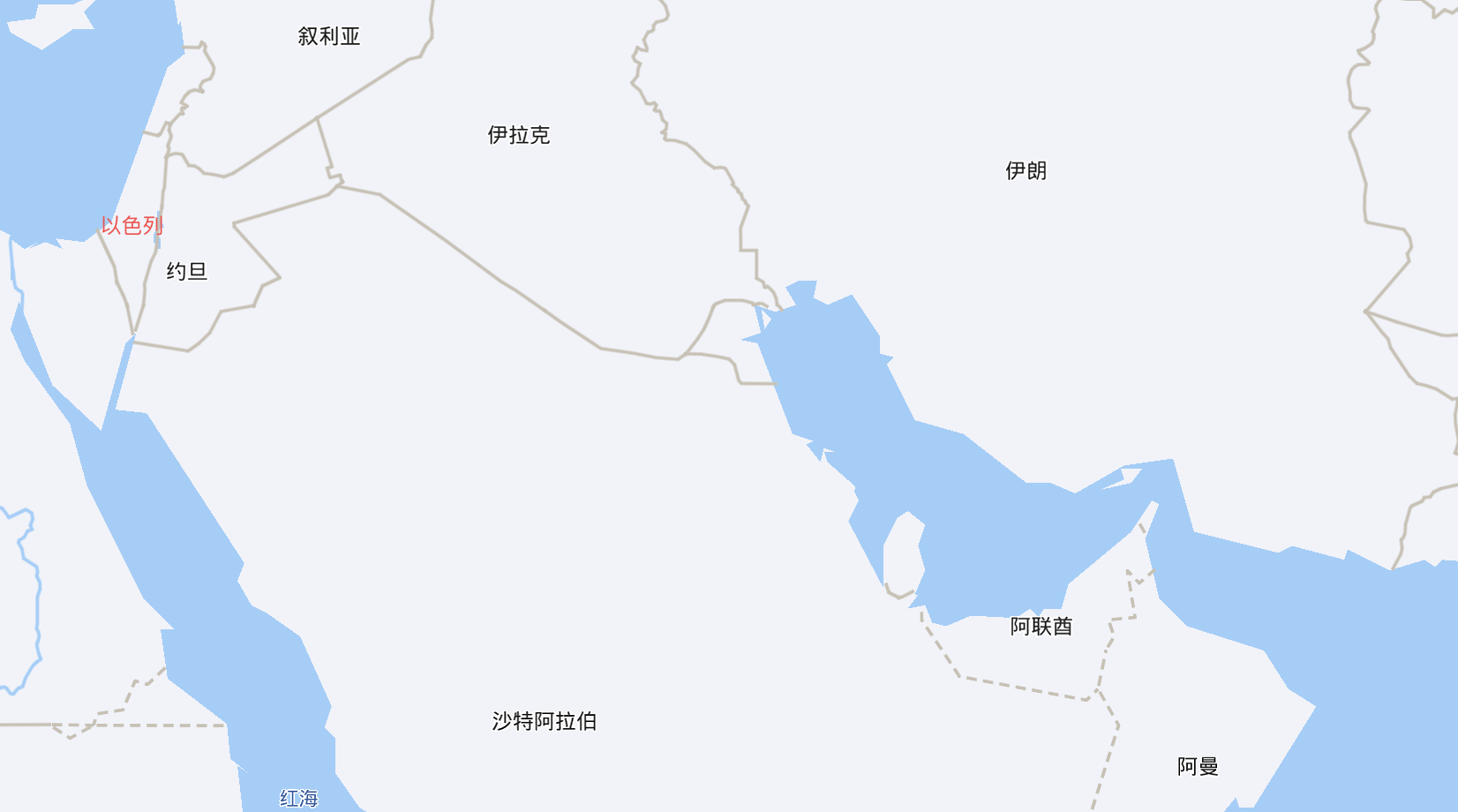
Unlike its energy-rich Gulf neighbors, the UAE has successfully developed a non-oil economy centered on finance, tourism, logistics, and real estate. However, it is highly dependent on external factors, particularly in capital, population, energy markets, and regional security.
The sudden outbreak of the US-Iran war shattered the UAE’s image as a “safe haven,” dealing a multi-faceted blow to its security, energy, finance, and international image. It also accelerated the UAE’s transition from a resource-dependent economy to a knowledge- and service-driven economy.
During the recent US-Iran conflict, Iran launched over 2,800 missiles and drones, striking multiple US-related targets in the UAE, including military bases, energy facilities, and financial centers. The UAE’s Habshan natural gas facility and Bab oil field were affected, directly impacting its core economic lifeline and resulting in daily losses of billions of dollars in oil exports.
In the first quarter of this year, Dubai’s hotel occupancy rate dropped by about 40%, with tourism revenue losses exceeding $5 billion. Foreign direct investment also decreased by one-third. Additionally, due to tight US dollar reserves, the UAE has started using non-US dollar currencies in oil transactions, and the yield spread on US dollar-denominated Islamic bonds has widened to a five-year high. The UN predicts that if the war continues, the UAE’s GDP may shrink by about 5%, the most severe impact since the COVID-19 pandemic.
Even after a potential US-Iran ceasefire, the UAE still faces Iranian missile and drone attacks. The UAE has been trying to send signals to anxious investors that it remains open for business and is a safe destination.
Meanwhile, the UAE is preparing for a prolonged conflict. Flights to Oman, Kuwait, and other regional destinations have been open for booking and resumed operations since May 1. According to data from the real-time air traffic monitoring platform Flightradar24, Emirates’ current flight operations have recovered to 74.1% of pre-conflict levels.
Dubai, located at the crossroads of three continents, covers at least two-thirds of the world’s population with its flights and is the Middle East’s most important aviation and logistics hub.
Against this backdrop, the UAE and Israel continue to warm up their relations. Netanyahu called on the UAE President to condemn Iran’s attacks and publicly expressed support for the UAE. The UAE, in turn, is leveraging Israel’s technological support to accelerate its energy transition.
On the other hand, the UAE’s withdrawal from the OPEC, led by Saudi Arabia, marks a complete break with Saudi Arabia in terms of energy governance, further deepening the rift within the Gulf Cooperation Council. The UAE has publicly expressed its dissatisfaction with the GCC, feeling that it did not provide sufficient support during the Iranian attacks.
Analysts point out that the warming relations between Israel and the UAE provide a crucial anchor for the US to build a “Middle East security alliance,” posing a direct challenge to Iran in terms of military deterrence, regional strategy, and economic security, further isolating it geopolitically.