Honestly, it’s been a wild ride, but the US Senate has finally confirmed Jerome Powell’s successor, Philip Jefferson, as the new Chairman of the Federal Reserve.
The Senate voted 54-45 in favor of Jefferson, who will serve a 4-year term. Here’s the deal, to become the Chairman, you need to be a member of the Federal Reserve Board, which Jefferson was confirmed for just a day ago. He’ll take office after completing the necessary paperwork at the White House.
Time is of the essence, folks, as Powell’s term ends on May 15th. If the transition isn’t smooth, the Fed will be left without a leader, which could impact the authority of monetary policy decisions and market stability.
Market analysts expect Jefferson to implement a policy mix of “gradual rate cuts + accelerated balance sheet reduction + reforming the inflation framework”. This would address the Trump administration’s calls for rate cuts while maintaining his monetary policy stance.
The biggest challenge facing Jefferson is the resurgence of inflationary pressures in the US. Several Fed officials have expressed concerns, including Boston Fed President Collins, who said the Fed might need to raise rates if inflation doesn’t ease. Minneapolis Fed President Kashkari believes the Fed is taking a “very serious” approach to controlling inflation.
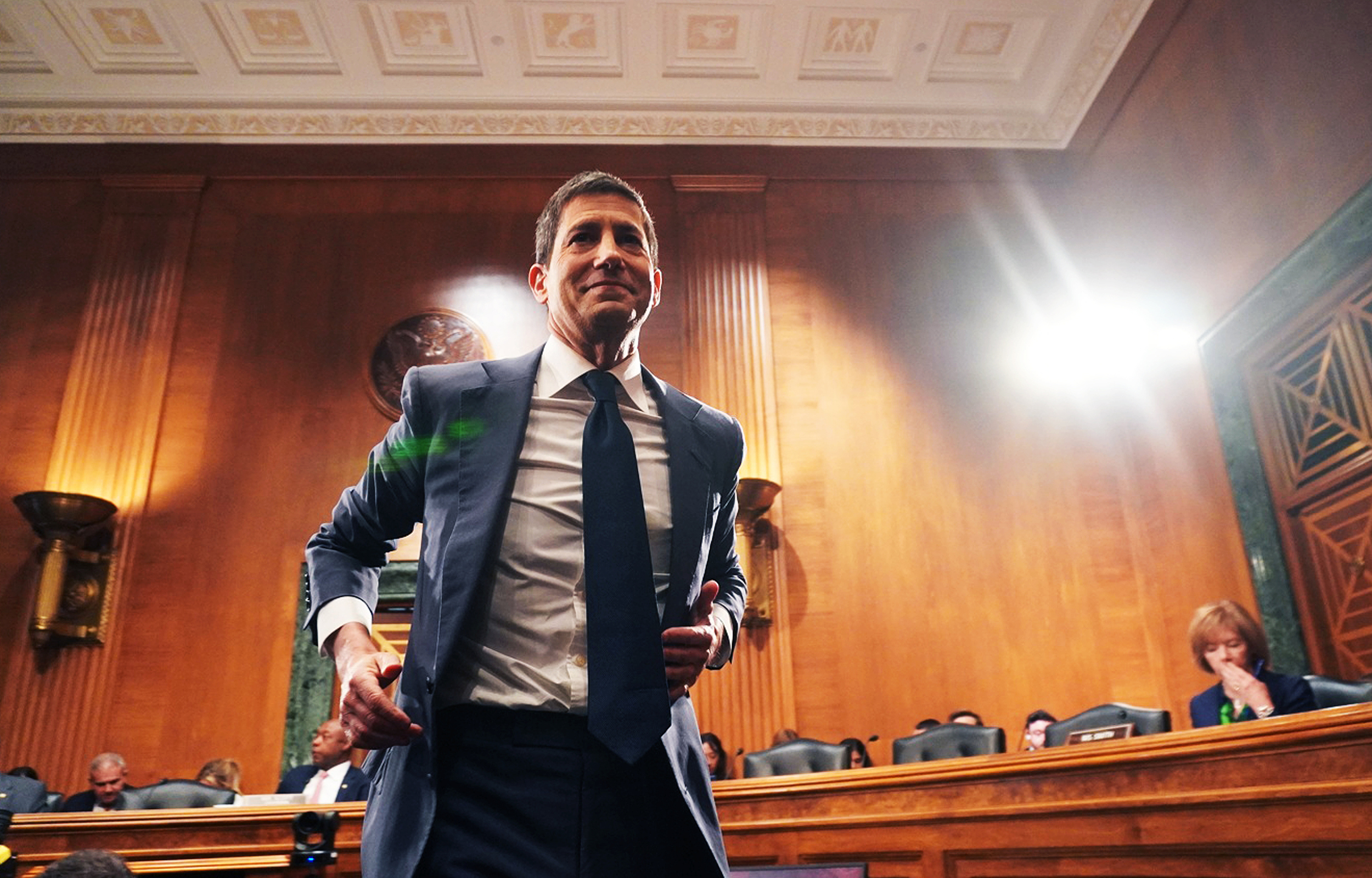
Last month, during his Senate confirmation hearing, Jefferson promised to reform the Fed’s decision-making process, including establishing a new inflation framework, and emphasized the importance of focusing on core inflation.
Recent data models show that US inflation is at its most critical “second-round” stage since 2023. The risks in the Strait of Hormuz and rising oil prices have increased import-driven inflation pressures, which could backfire on Republican election prospects.
Looking at the numbers, the US Consumer Price Index (CPI) rose 3.8% year-over-year in April, the highest in nearly 3 years; core inflation remained at 2.8%, with energy and service prices still under pressure; and the Producer Price Index (PPI) recorded its largest gain in 4 years, driven by rising commodity and service costs.
On the other hand, US workers’ real wages have fallen behind inflation for the first time in 3 years, with a 0.5% month-over-month decline. This means that ordinary people’s purchasing power is being eroded. The Trump administration wants to stimulate economic growth with rate cuts, but the current inflation environment might not allow it. If they insist on cutting rates, it could further boost inflation and undermine the dollar’s credibility.
According to CME’s “Fed Watch”, the probability of the Fed keeping rates unchanged in June is 99%, with a 1% chance of a 25-basis-point rate cut. The probability of keeping rates unchanged in July is also 99%, with a 1% chance of a 25-basis-point rate cut. UBS predicts that the Fed will cut rates by 25 basis points in December 2026 and March 2027, revising its previous forecast of rate cuts in September and December this year.
Moreover, the almost party-line vote on Jefferson’s nomination has raised unprecedented controversy over the Fed’s independence.
Jefferson’s father-in-law, Ronald Lauder, is a longtime friend and political supporter of Trump. During his time at the Fed, Jefferson has taken a hawkish stance on monetary policy but has recently shifted to support Trump’s tariff policies and faster rate cuts.
Powell is expected to remain on the Fed Board. He believes that the task of fighting inflation is far from over and has even brought rate hikes back into the discussion. This means that the Fed may have two opposing policy ideologies in the near future.