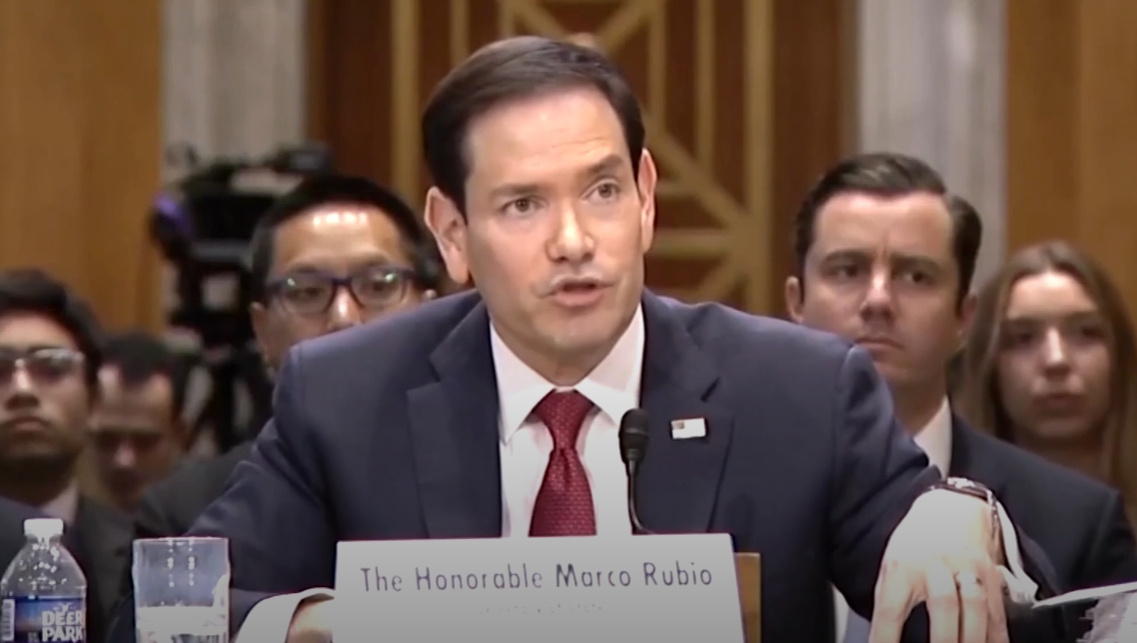
After President Trump wrapped up his landmark trip to China, Secretary of State Rubio stepped into the hot seat for his first round of congressional grilling this week. While the official agenda was technically about the federal budget, everyone in the room really wanted to know what’s actually going on with US-China ties and the ongoing situation in Iran.
When pressed by lawmakers about the perceived shift in Washington’s stance toward Beijing, Rubio didn’t sugarcoat it. He acknowledged that there are still plenty of “significant irritants” between the two sides. But given that we’re talking about the world’s two biggest economies and military powers, he stressed that keeping the communication lines open is non-negotiable. It’s the only practical way to cool down tensions before they spiral into something much bigger.
“The Chinese and American governments have to talk. We literally have no other option,” Rubio said.
He expanded on that, noting, “Obviously, there are some pretty serious friction points in our relationship. Some of these are long-standing issues, and we know we’ve got to tackle them.”
“So, we’re trying to hold onto a period of strategic stability. At the same time, we have to accept that there are areas in our relationship that will throw challenges our way for years, maybe even decades.”
Back on May 15, right as Trump’s China visit wrapped up, Chinese officials reiterated that the core of US-China trade is all about mutual win-win outcomes. The message was clear: both sides need to follow through on the big-picture agreements made at the top, injecting more stability into global commerce and the wider world economy.
Following those mid-May talks, both sides agreed to frame their relationship around “constructive strategic stability.” Think of it as a new roadmap designed to guide US-China interactions over the next three years and well beyond.
As part of the presidential delegation, Rubio pointed out that the meetings in China laid out exactly where the two nations disagree. Looking ahead, he warned that both sides are staring down a series of real, long-term hurdles, with supply chain resilience being right at the top of the list.
Rubio made it clear that Washington wants to cut down its reliance on any single country for everything from advanced weaponry to critical pharmaceuticals. The goal? To avoid being held hostage, cut off from essential goods, or used as leverage during a crisis or conflict.
“This is a long-game problem we’re going to have to manage. Even as we work on improving how we talk to each other, this effort has to keep going because we simply have to.”
He followed up by saying, “It’s the responsible move, and we don’t really have a choice… Keeping the dialogue alive serves both our interests, and I honestly think it’s good for the rest of the world, too.”
Post-visit, Trump also dropped some fresh comments on Taiwan, stating he doesn’t want to see anyone there pushing for “independence.” He also hinted that arms sales could be a solid bargaining chip, but for now, Washington is hitting pause on that decision.
When the conversation turned to US policy toward Taiwan, Rubio stood his ground, reiterating that Washington’s stance hasn’t shifted one bit. He speculated that Beijing might be hoping for some diplomatic wordplay, but stressed that absolutely nothing has changed on that front.
“The bottom line is we want to keep the status quo. That’s our policy,” he explained. “It’s a delicate situation that requires careful balancing, but our approach to Taiwan remains exactly the same. It didn’t change during this trip, and it won’t.”
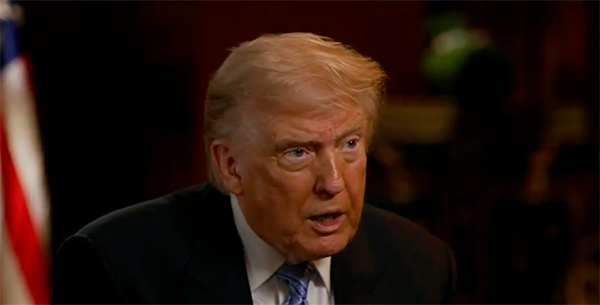
Screenshot from Trump’s exclusive interview aired on May 15
On the funding side, Rubio declined to promise that any portion of a proposed $245 million fund—meant to counter Chinese geopolitical influence—would be directed toward Taiwan. He also pushed back on suggestions to use extra money to launch Uyghur language research programs inside the State Department.
However, he didn’t hesitate to level accusations against Beijing, claiming China is still actively trying to woo Taiwan’s remaining diplomatic partners. According to Rubio, this is mostly done through sweetheart loans and cheap infrastructure deals, which he alleged often leave host nations drowning in debt or staring at abandoned construction sites.
Flipping the script, he argued that the US needs to step up and offer better alternatives, making it harder for those countries to be swayed by such economic leverage.
“Frankly, in a lot of cases, the only players on the field are Chinese companies,” he added.
When pressed, Rubio sidestepped questions about whether allowing high-end Nvidia chips to flow into China would compromise US national security. He also refused to confirm whether Trump traded promises on Taiwan arms sales for smoother bilateral talks during the visit.
The situation in Iran was another massive focal point of the hearing. This actually marks Rubio’s first time testifying before Congress since the US military engagement in Iran kicked off.
Telling senators that getting the Strait of Hormuz back to full navigation is a must-have precondition for any broad negotiations with Tehran, Rubio was firm: Iran shouldn’t expect early sanctions relief just for reopening that strategic waterway.
He drove the point home, noting that any sanctions waivers would strictly depend on Iran making real concessions on its nuclear ambitions.
Later that Tuesday, during a separate budget session, Rubio clarified that while China and Iran maintain strategic ties, Beijing isn’t actively doing anything to block US operations in the region.
Switching gears to Cuba, the Cuban-American secretary revisited the baseless claim that Chinese and Russian intelligence operations are running inside Cuba. Despite repeated denials and clarifications from both Havana and Beijing, Rubio kept bringing it up.
When a senator on the panel challenged him to actually produce evidence for these claims, Rubio visibly stumbled, unable to provide any concrete proof.
Amidst the intense questioning, the hearing even got interrupted by protesters. One demonstrator shouted, “Stop killing Cubans,” before security escorted them out of the room.