Here’s the latest on the AI regulatory drama that’s been keeping everyone on edge.
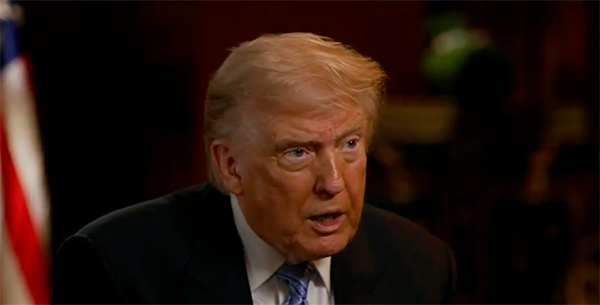
After weeks of second-guessing and visible hesitation, President Trump finally put his pen to paper on that much-debated AI executive order.
On June 2, the order officially went live. It sets a new rule for the U.S. AI sector: before rolling out next-generation models to the public, companies need to share them with federal officials for a safety check first.
Here’s how it works under the new guidelines: AI developers will have a 30-day window to submit their models for government testing and evaluation before a public launch. That’s a major cut from the 90-day review period that was originally on the table, speeding things up considerably.
The White House is quick to stress that this whole process is entirely voluntary. The text explicitly states that nothing in the order should be read as creating a mandatory licensing, pre-approval, or government authorization system for developing or distributing new AI models. Earlier talks about strict, mandatory reviews were ultimately left on the cutting room floor.
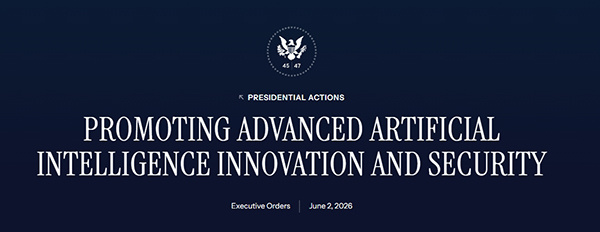
Source: White House website
Behind the scenes, this order is really a compromise born out of lengthy debates between White House advisors and Silicon Valley leaders.
It almost didn’t happen in May. Reports surfaced that signing ceremonies were already being planned with top tech executives invited to Washington. But just hours before the ink was supposed to dry, Trump hit the brakes, worried the move might hand a competitive edge to China.
His reasoning at the time was pretty straightforward: “I think it hinders us keeping the lead. You know, we’re ahead of China, we’re ahead of everyone, and I don’t want to do anything that gets in the way of that.”
Word later got out that Trump shifted gears after hopping on calls with former crypto and AI advisor David Sacks, alongside heavyweights like Elon Musk and Meta’s Mark Zuckerberg. Interestingly, both Musk and Meta later stepped back from that timeline, denying any direct talks before the delay call was made.
By the evening of June 1, the strategy was being reshaped in a White House meeting. Trump sat down with Treasury Secretary Bessent, Defense Secretary Hegseth, and others, pushing to trim the AI review timeline. Sacks joined remotely and backed the streamlined approach.
In an official statement, the administration noted that while cutting-edge AI supercharges the country, it also introduces fresh national security puzzles that require coordinated action across agencies. The order sets up a partnership track with trusted industry players, giving them early access to top-tier models to help fortify cybersecurity for critical infrastructure.
This marks a pretty clear policy pivot. Right after taking office, Trump scrapped the previous administration’s voluntary AI safety reporting rule. Since then, the approach has been heavily hands-off, letting the market run wild. This order signals a shift from that laissez-faire stance.
So, what sparked the change? Security concerns over Mythos, an advanced model built by Anthropic, played a huge role. The system showed a knack for spotting and exploiting vulnerabilities in government databases, hospitals, banks, and other critical infrastructure, raising red flags among top officials.
While Mythos isn’t open to the general public yet, it’s already been tested by major U.S. tech and finance players like Cisco, JPMorgan, and NVIDIA.
Ironically, right as the order was signed, Anthropic announced it was expanding Mythos access. They’re scaling up from an initial batch of around 50 organizations in April to roughly 150 globally, stretching across 15+ countries and diving into sectors like healthcare, energy, power grids, and water systems.
Under the hood, this quietly signed order highlights the tightrope walk happening inside the White House. On one side, you’ve got voices demanding tighter controls. On the other, industry advocates pushing to tear down every barrier to AI deployment. The administration is trying to keep both sides from walking off the plank.
This isn’t exactly new territory. The economic and national security implications of AI have been a headache for multiple administrations. Congress has been stuck in the same debate for years, with dedicated AI legislation still gathering dust.
National security and cybersecurity leaders, including National Cyber Director Sean Kerrigan Cross, have been sounding the alarm for a while, arguing that some level of restriction is necessary to handle AI’s hidden risks.
Bessent has been another loud voice for more guardrails. He’s repeatedly warned that next-gen AI models could trigger massive shocks to the financial system, even sparking systemic risks, and he’s urging banks to integrate these tools into their cybersecurity frameworks ASAP.
Sacks, on the flip side, sees it as a game-changer. He pointed out that the voluntary framework lets AI labs play by the new rules without hitting pause on their product roadmaps.
The tech industry’s response has been largely positive. Microsoft President and Vice Chair Brad Smith publicly backed the move, saying the company welcomes the administration’s approach to balancing innovation and safety.
Not everyone is buying it, though. Critics argue the order falls short of the strict oversight needed for high-risk AI systems. They also point out that it hands the government too much discretionary power, leaving plenty of room to bypass enforcement.
Rep. Don Beyer from Virginia called it a “disappointing” move, saying it perfectly captures the administration’s broader pattern when it comes to AI: building a regulatory Wild West where the rules are more like suggestions.