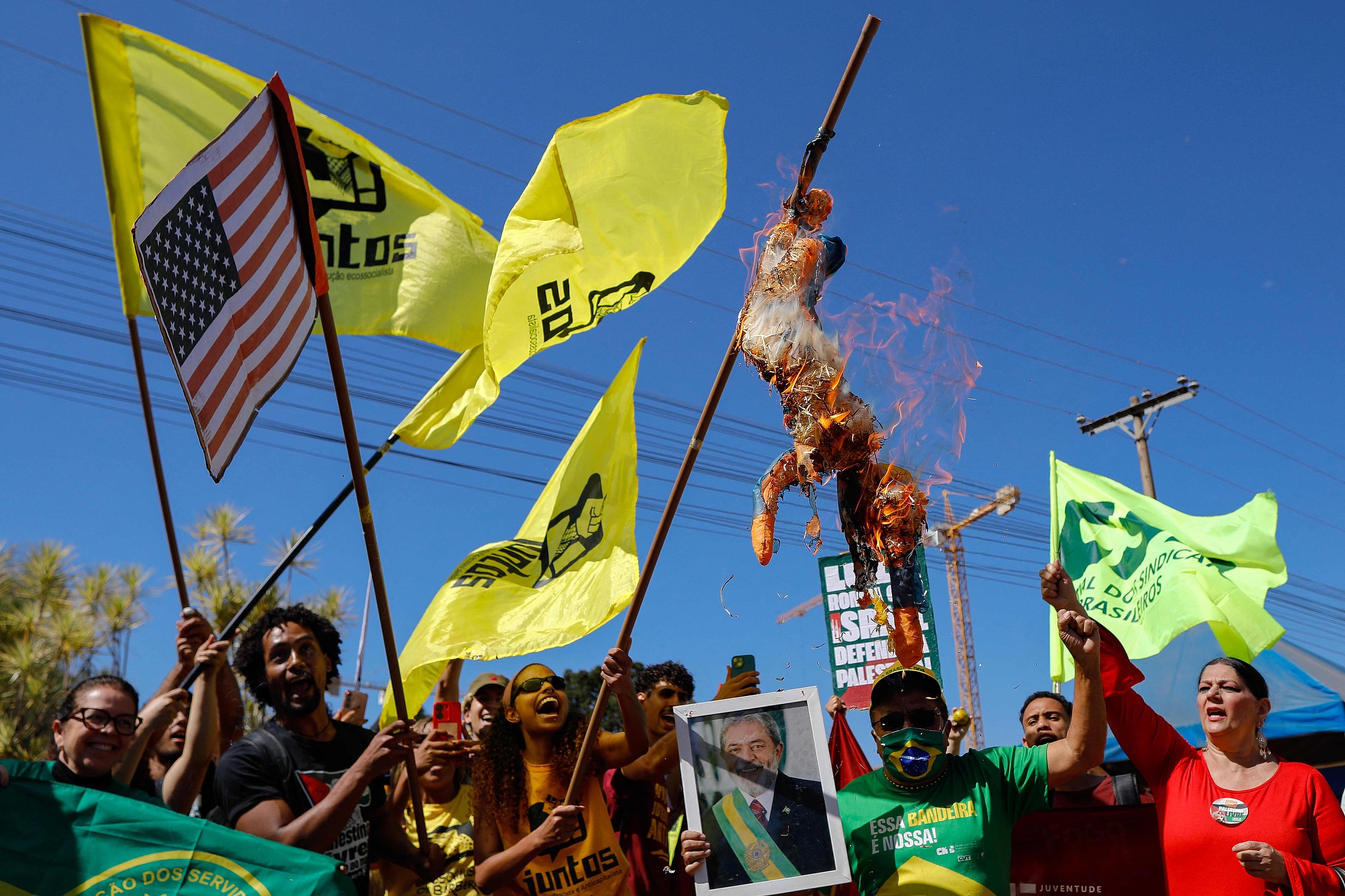
The US and Iran are trading barbs once again over who controls the world’s most critical energy chokepoint.
Iran’s Deputy Foreign Minister Kazem Gharibabadi responded on August 15 to President Trump’s remarks about the Strait of Hormuz, stressing that the strait’s opening and closing can only be controlled by Iran.
In a social media post, Gharibabadi noted Trump’s claim that he would soon declare the Strait of Hormuz US territory after Iran’s defeat. However, he argued the strait cannot be seized by a tweet, an aircraft carrier, an executive order, or a speech. “The Strait of Hormuz was, is, and will always be Iran’s. The opening and closing of this strait can only be controlled by Iran.”
A day earlier, Trump told a crowd at an event in Long Island, New York, with a serious tone, that Iran is suffering a crushing defeat, and “after we completely defeat Iran, very soon, I will declare the Strait of Hormuz to be American territory.”
Trump also claimed that high oil prices are a minor issue compared to preventing Iran from acquiring nuclear weapons, and stated he would “never apologize. I did the right thing.”
Beyond Iran, since starting his second term in 2025, Trump has publicly issued explicit territorial sovereignty threats against Denmark (Greenland), Panama, Venezuela, Canada, and other countries and regions.
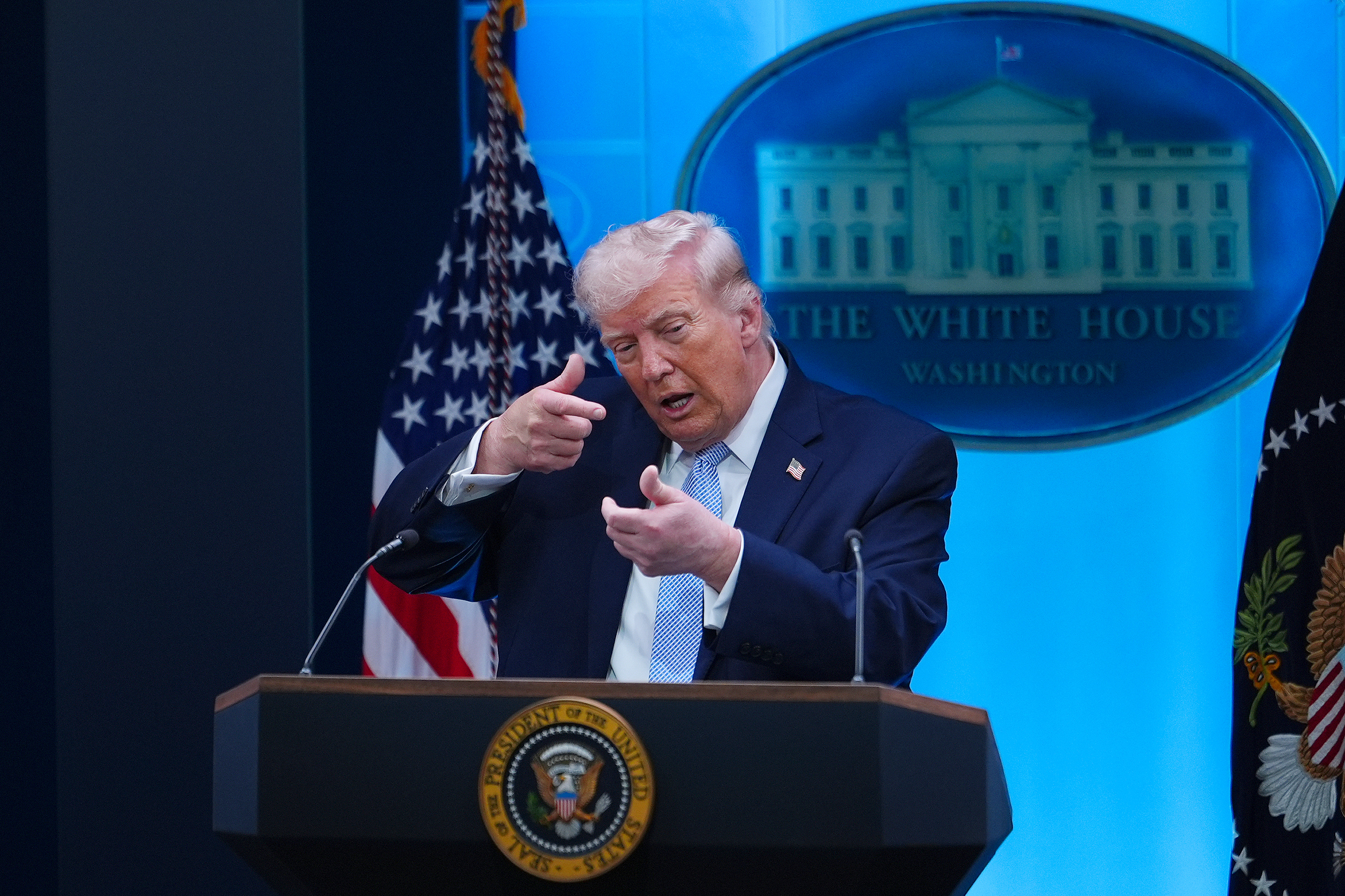
Julián Castro-Rea, a political science professor at the University of Alberta in Canada, told HA Viewpoint that as a businessman-turned-president, Trump treats “threats” as a core negotiating tactic, using maximum pressure to secure the most favorable bargaining position and coerce the other side into a more acceptable deal.
A research note from China Securities Co., Ltd. suggests that the standoff at the Strait of Hormuz is unlikely to see a fundamental resolution in the short term. The US “swift military victory” plan has already failed, and its Iran policy is shifting from high-intensity military strikes to a grinding game of “pressure while negotiating.” Iran won’t easily give up the Strait of Hormuz as a key lever against the US. In the near term, continued disruption at the strait benefits oil and gas extraction and energy-sector stocks, while hurting fuel-dependent industries like aviation and shipping. The medium-term outlook depends on the progress of US-Iran talks and the actual resumption of navigation, with geopolitical uncertainty continuing to drive oil price volatility.
On August 13, during a Fox News program, the host asked whether the US has “complete control” over the Strait of Hormuz. US Energy Secretary Chris Wright, however, spent nearly 40 seconds first accusing Iran of “trying to hold the world economy hostage,” then dismissing Iran’s strategy, repeatedly asking and answering his own questions, all while never directly answering “yes” or “no.”
Wright only said that Iran’s ability to create trouble in the strait is weakening, while America’s ability to escort and ship goods is strengthening. After that lengthy monologue, the host concluded: “I don’t think that sounds like complete control.”
On the same day, Iranian Foreign Minister Abbas Araghchi took to social media, warning that “the US has long misjudged due to intelligence failures,” calling the war against Iran a “textbook case,” and adding that Washington now faces an even “bigger miscalculation” over the Strait of Hormuz. He also cautioned the US to “beware of false intelligence.”
Although the main deep-water shipping lanes of the Strait of Hormuz lie almost entirely within Omani territorial waters, Iran holds full control over the waterway.
Earlier this month, Iran and Oman agreed on the geographic coordinates for the proposed shipping lane in the strait, with a joint statement now in its final review stage. Over the past two months, the talks focused on determining a safe transit route for vessels that respects both nations’ sovereign rights and national security concerns. The final outcome is expected to be announced soon.
Since the US-Iran conflict reignited, three different shipping routes have emerged in the strait. The first runs along the northern part, controlled by Iran. The second cuts through the middle—the original international route before the disruption. The third hugs the southern side near Omani waters, coordinated by Oman, the US, and the International Maritime Organization.
With the new lanes in effect, the original two north-south shipping lanes that had been in use for 60 years will be completely closed. Vessels entering the Persian Gulf will transit through the Iranian-controlled lane, while those exiting will use the Omani-controlled lane. These temporary routes are expected to remain operational for two to four months.
Oman had previously proposed a joint management mechanism with equal shares, but Iran insisted that inbound routes must pass entirely through Iranian waters. Ultimately, the two sides reached a coordinate consensus centered on Iran’s demands, while explicitly rejecting any third-party involvement in managing the strait.