As the 60-day negotiation window set by the U.S.-Iran memorandum of understanding signed on June 17 expires, the end of the conflict between the two nations remains nowhere in sight. On August 17, when asked whether the U.S. sought to extend the memorandum with Iran, President Trump gave a definitive no. Oman, the Gulf nation that has long served as a mediator for U.S.-Iran talks while emphasizing its neutrality, was unexpectedly placed in the crosshairs, with Trump threatening to “bomb the hell” out of it. While Oman has yet to respond, analysts suggest that America’s unpredictable behavior is putting more regional allies on high alert. The fallout from this prolonged conflict extends beyond global shipping and the energy sector—a latest poll shows Trump’s approval rating hitting a new low since he assumed the presidency again last year. According to multiple media reports citing sources, the U.S. administration is on the hunt for a “scapegoat” for this conflict, with Defense Secretary Pete Hegseth potentially bearing the brunt.
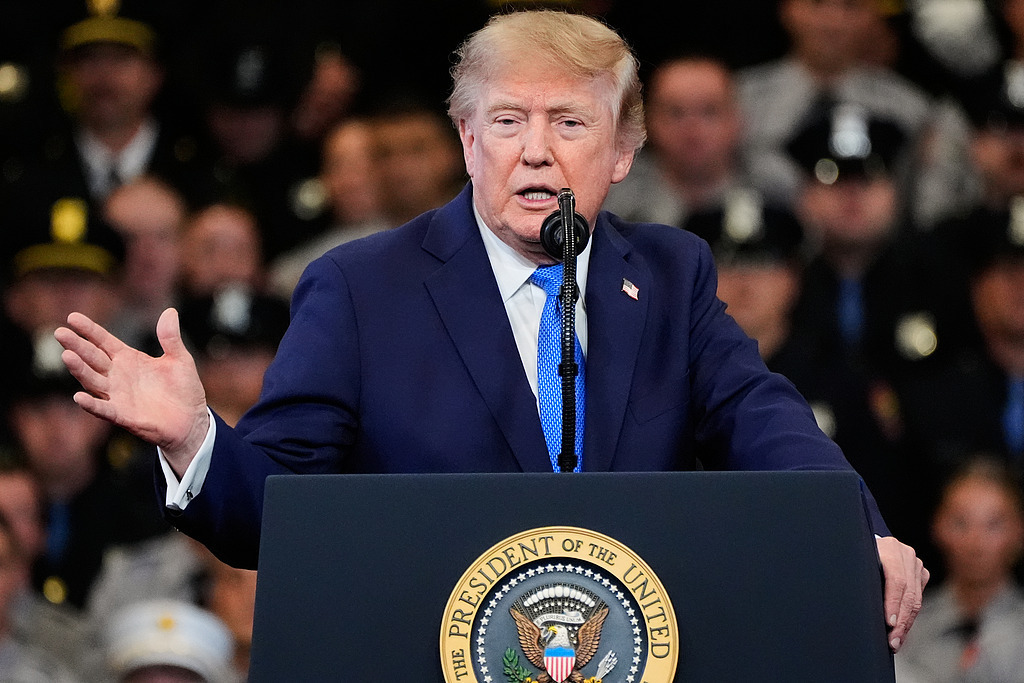
Trump in a file photo
Threat Born of “Frustration and Anxiety”
According to the Washington Post on the 17th, Trump issued the threat during a Fox News interview that day. When asked by Fox News correspondent Tre’y Gowdy about the negotiations between Iran and Oman over control of the Strait of Hormuz, Trump said, “If Oman gets in the way, we’ll bomb the hell out of them.” He further stated that Iran should “raise the white flag and surrender,” though he added he had no timeline and was “in no hurry” to reach a permanent deal with Tehran.
This is not the first time Trump has threatened Oman this year. Back in May, when news broke that Oman was consulting with Iran on revenue-sharing for the Strait of Hormuz, Trump warned that if Oman tried to control the strait alongside Iran, “we’ll blow them up.” Now, as Iran and Oman finalize their memorandum on the strait, U.S. media analysis suggests the renewed threat stems from Washington’s frustration and anxiety over the current gridlock.
The Wall Street Journal reports that for weeks, the White House has been promising that Iran is on the verge of signing a nuclear deal and that Oman could help reopen the Strait of Hormuz. Yet, the deal has failed to materialize. Additionally, there is a lingering concern within the U.S. administration that Oman might help broker a nuclear agreement more favorable to Iran, potentially cementing Tehran’s grip on the strait.
According to NBC News, when pressed to elaborate on his remarks during a White House interview later on the 17th, Trump said, “I think they haven’t behaved very well, but we’ll handle it with ease, just like we handle everything else.”
Oman is not the first nation to face public rebuke from Washington for allegedly not doing “enough” to help end the conflict. Just last Sunday, Trump ordered a reduction in the scale of joint U.S.-South Korea military exercises, citing Seoul’s reluctance to “give the U.S. a hand” on the Iran issue. He has also complained that European allies like the UK and Spain have not taken sufficient action against Iran.
In a commentary on the 17th, Israel’s Jerusalem Post noted that the U.S. war effort against Iran has accelerated shifts in regional security dynamics and the global order, with many nations now wary of America’s unpredictable behavior and threats. The threat against Oman could serve as a warning to other U.S. partners in the Gulf region, though it remains unclear whether these threats will push those nations to change their policies or convince them that the U.S. is no longer a reliable partner.
Hegseth “On the Brink of Losing His Job”?
According to IRNA on the 18th, Iranian Parliament Speaker Mohammad Bagher Ghalibaf reiterated Tehran’s conditions for reopening the Strait of Hormuz, stating that the strategic waterway will not be reopened unless the U.S. lifts its naval blockade, ends sanctions, and unfreezes Iranian assets.
The day before, a senior Iranian official told Reuters that with negotiations with the U.S. at an impasse, Iran’s military posture would shift from defensive to “full-scale offensive.” The official said, “Iran must be prepared for an escalation of tensions in the Strait of Hormuz and the broader region, as Iran is ready to make difficult decisions and take action at any moment.” He added that if diplomatic efforts fail, Iran would launch “timely and precise” military strikes to break the U.S. naval blockade.
With the Strait of Hormuz nowhere near a full reopening, the U.S.-Iran conflict is becoming a political liability for Trump and congressional Republicans ahead of the November midterm elections. A Reuters/Ipsos poll released on the 17th shows Trump’s approval rating has dropped to 33%, down 2 percentage points from earlier this month, marking a new low for his term. Nearly 80% of Americans believe the conflict “will last for quite some time.”
Iran’s Press TV on the 17th, citing regional intelligence officials, reported that “the Pentagon’s assessment is that no military plan currently has the political and security capability to ensure the reopening of the Strait of Hormuz, safe passage through it, and stable energy flows.” The source further revealed that the stalemate has deeply frustrated the U.S. president, prompting him to seek a “scapegoat” within his own administration. In an exclusive report on the 18th, Hong Kong’s South China Morning Post, citing multiple anonymous insiders, revealed that Defense Secretary Hegseth is “on the brink of losing his job,” with Trump particularly angered by the lack of a “substantive breakthrough” in the war effort against Iran.