US-Iran negotiations remain deadlocked, and the Middle East’s geopolitical landscape is shifting accordingly.
In the early hours of August 19, the UAE Foreign Ministry announced it was suspending all trade, commercial dealings, and financial transactions with Iran, citing “ongoing regional escalation that threatens international peace and security.” The resumption of ties will be announced at a later date, leaving markets and diplomats guessing.
Afra Al Hamili, the UAE Foreign Ministry’s Director of Strategic Communications, pushed back against speculation about the state of Emirati-Iranian economic relations. In a firm statement, she reiterated the UAE’s unwavering commitment to regional peace, stability, and prosperity through dialogue, cooperation, and regional integration — while underscoring that the nation remains dedicated to safeguarding the integrity of the international financial system.
Just a day earlier, the UAE Ministry of Defense reported that its air defense systems had tracked two ballistic missiles launched from Iran. One landed outside UAE territorial waters; the other splashed down within its territorial sea. The country is now on high alert, fully prepared to counter any potential threat.
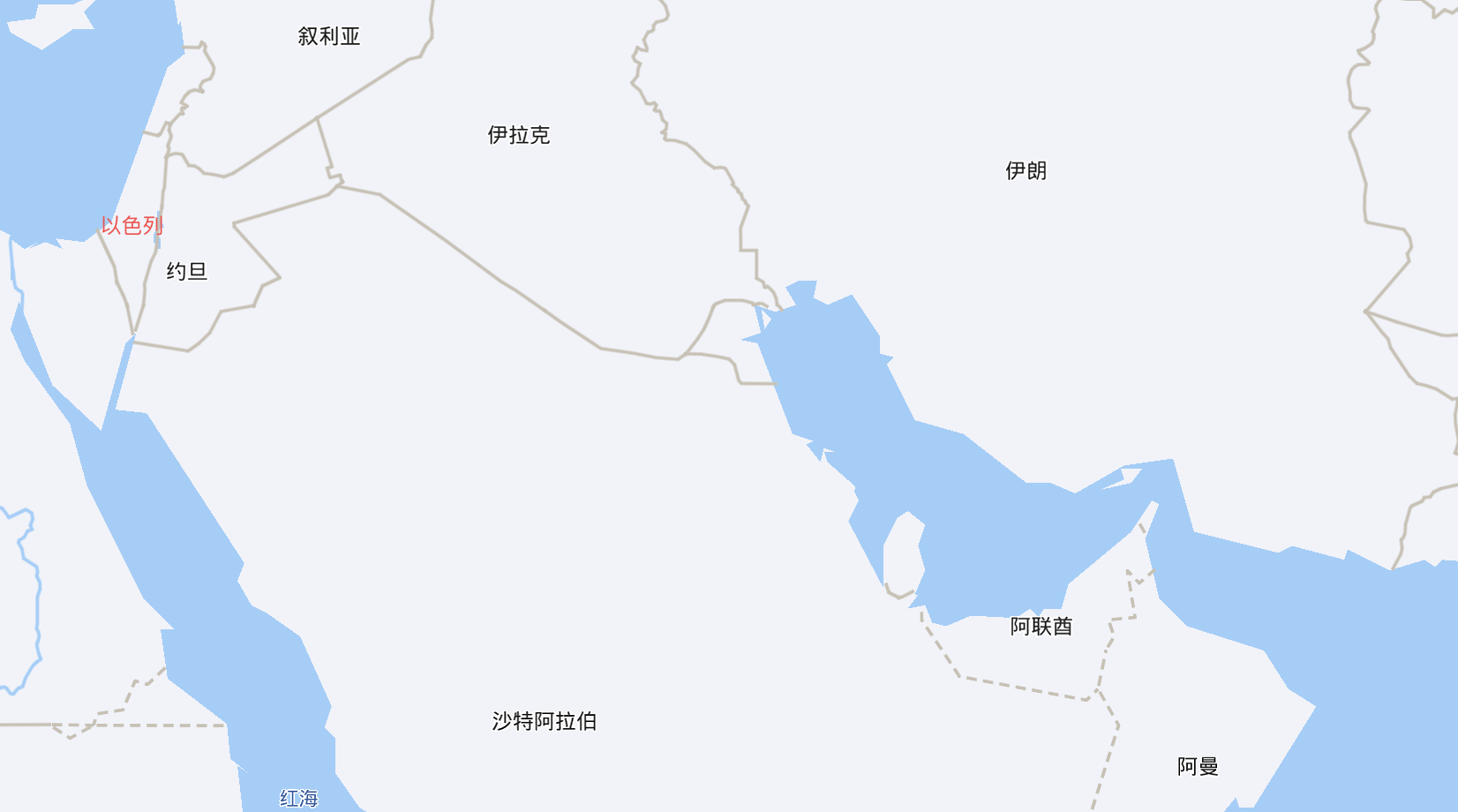
Unlike its energy-rich Gulf neighbors, the UAE has successfully built a diversified non-oil economy anchored in finance, tourism, logistics, and real estate. But this model is highly vulnerable to external shocks — especially in capital flows, population movement, energy markets, and geopolitical security.
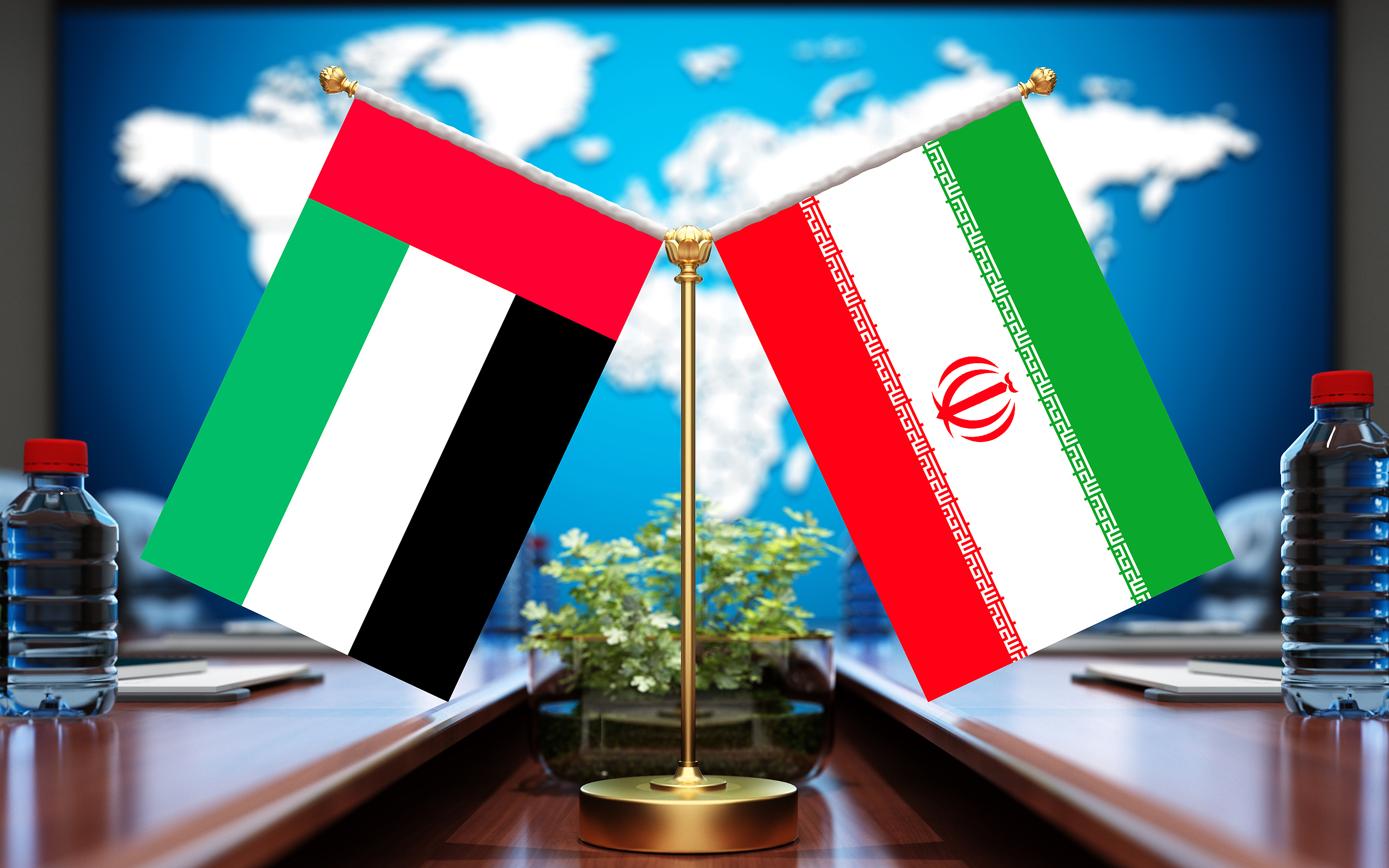
The sudden outbreak of the US-Iran war shattered the UAE’s long-cherished image as a “safe oasis.” The conflict has dealt multiple blows to its security, energy sector, financial standing, and international reputation — while paradoxically accelerating its transition from a resource-dependent economy to one driven by knowledge and services.
During the latest round of US-Iran hostilities, Iran launched a barrage of missiles and drones, striking multiple US-linked targets across the UAE — including military bases, energy facilities, and financial hubs. The Habshan gas facility and Bab oilfield took direct hits, crippling the nation’s economic lifeline and costing hundreds of millions of dollars in lost oil export revenue each day.
In the first quarter of this year, Dubai hotel occupancy plummeted by roughly 40 percent, with tourism revenue losses exceeding $5 billion. Foreign direct investment contracted by one-third year-on-year. Meanwhile, strained dollar reserves pushed the UAE toward non-dollar settlement in oil transactions, and spreads on dollar-denominated Islamic bonds widened to a five-year high. The UN projects that if the war drags on, the UAE’s GDP could contract by around 5 percent — its worst economic shock since the COVID-19 pandemic.
Even after the US-Iran truce, the UAE continues to face sporadic missile and drone attacks from Iran. The nation is scrambling to reassure jittery investors that it remains open for business — and, above all, safe.
At the same time, the UAE is bracing for a new normal of perpetual conflict. Dubai, sitting at the crossroads of three continents, offers flight connections to at least two-thirds of the world’s population and stands as the Middle East’s most critical aviation and logistics hub.
Against this backdrop, the UAE’s relationship with Israel — Iran’s sworn enemy — continues to heat up. Israeli Prime Minister Benjamin Netanyahu has publicly called on the UAE president to condemn Iran’s attacks, offering high-profile solidarity. The UAE, in turn, is leveraging Israeli technological expertise to accelerate its own energy transition.
On another front, the UAE’s departure from Saudi-led OPEC marks a definitive break with the Kingdom over energy governance models, deepening fissures within the Gulf Cooperation Council (GCC). The UAE has openly voiced frustration with the GCC, arguing that it failed to provide adequate support when the country came under Iranian attack.
Analysts point out that the warming Israel-UAE ties provide a critical linchpin for Washington’s envisioned “Middle East Security Alliance,” posing direct challenges to Iran across military deterrence, geostrategy, and economic security — and deepening Tehran’s strategic isolation.
Israel’s military technology and the UAE’s geopolitical resources form a natural complement. Like Israel, the UAE views Iran as an existential threat. The two nations have been locked in a decades-long territorial dispute. As a Sunni Gulf state, the UAE sees Shia-dominated Iran as a challenger to the regional religious order, fearing that Tehran’s influence could destabilize its own monarchical rule from within.
Between August and December 2020, under pressure from the Trump administration, the UAE boldly broke the Arab world’s traditional taboo against normalizing ties with Israel, becoming the first to do so. Bahrain and Morocco soon followed suit — a cascade that significantly weakened the Palestinian cause as the core moral bond constraining Arab-Israeli relations.
That year, the signatories inked the Abraham Accords, and an anti-Iran coalition gradually took shape. Israel even pushed to bring Syria and Lebanon into the fold. Iran has consistently slammed the agreement, arguing it enables Israel to maintain a military and intelligence presence in the UAE. Israel secured a strategic breakthrough in the Gulf region through this pact. In return, the UAE gained access to advanced Israeli military technology — including the Iron Dome system — and closer defense cooperation with Washington.
As a vital financial and trade hub in the Persian Gulf, the UAE’s latest decision will further constrict Iran’s cross-border trade settlement space, directly reshaping the regional geopolitical landscape.
The temporary ceasefire agreement between the US and Iran expired this Monday. Both sides are sending hardline signals, while Oman — long a mediator in US-Iran affairs — has now become Washington’s latest pressure target.Ship traffic through two critical Middle East shipping lanes remains at depressed levels.