After a two-day hiatus, the long-awaited US-Iran negotiations finally kicked off in an atmosphere thick with tension. Miraculously, the session ran longer than originally scheduled, signaling that both sides are desperate to keep the dialogue alive, even if barely.
According to HA Viewpoint, the first round of high-level talks began around 15:00 CET on June 21. By the early hours of the 22nd, the session had concluded.
This marks the inaugural meeting since the Memorandum of Understanding (MOU) was signed. Both Pakistan and Qatar are present as key mediators to help bridge the gap.
The Iranian delegation was led by Foreign Minister Araghchi. On the US side, the lineup included Vice President Vance, Presidential Envoy Witkoff, and Donald Trump’s son-in-law, Jared Kushner.
Before the talks, Vance stated the goal was to “establish a practical framework and negotiation mechanism.” However, Iran’s stance was firm: they demanded the US honor its commitments, warning that failure to do so puts the entire MOU at risk of collapse.
According to sources from Qatar, the first round focused on the Lebanon issue. Upcoming discussions will tackle the Strait of Hormuz, with the third round dedicated to Iran’s nuclear program and sanctions relief.
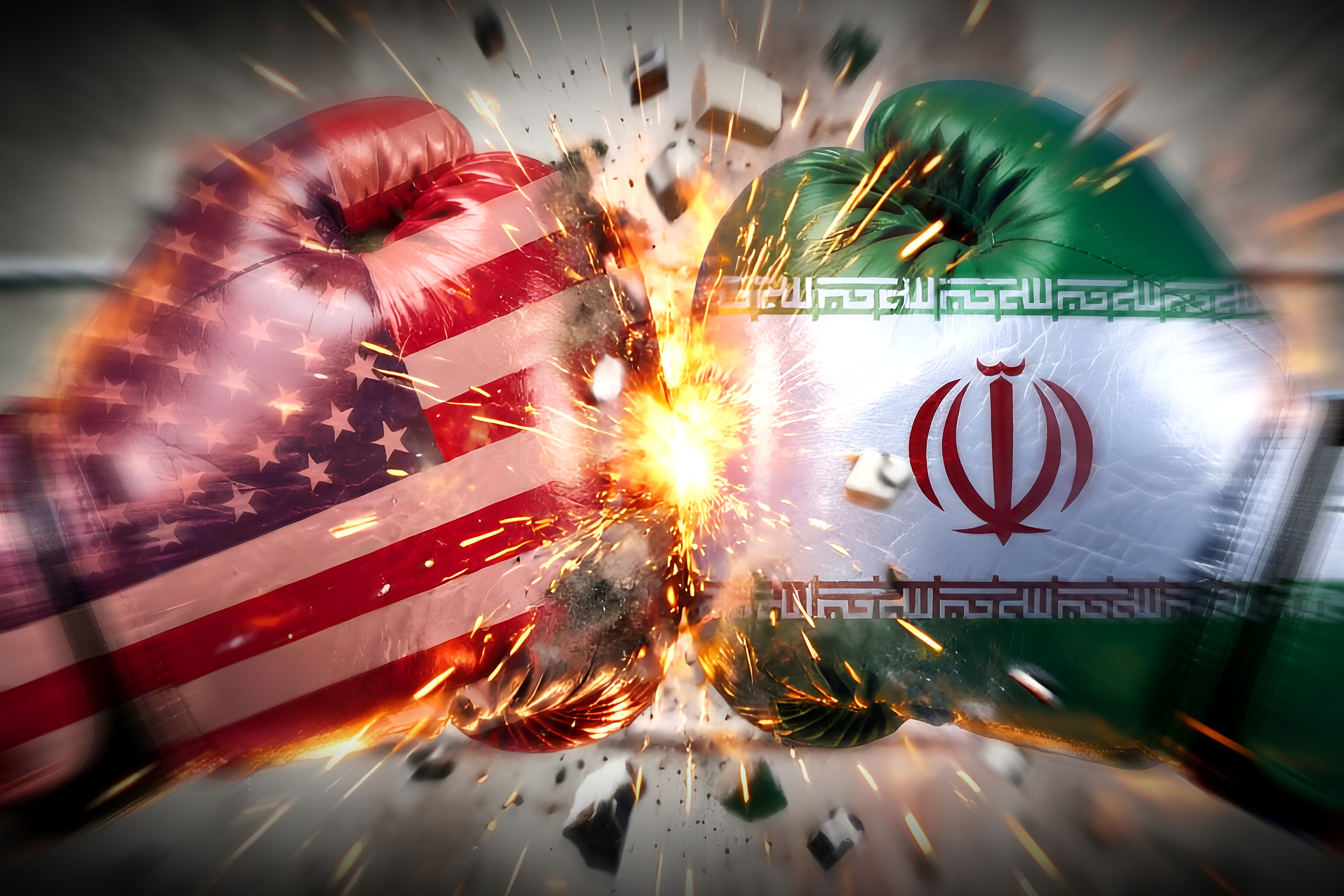
It became clear during the negotiations that Iran lodged a formal protest against US violations of the MOU. Tehran is pushing Washington to accelerate specific promises, particularly unfreezing Iranian assets and issuing sanctions waivers for Iranian oil exports. Regarding the nuclear issue, Iran made it clear: no talks on nuclear matters until the US fulfills its side of the bargain.
Insiders within the Iranian negotiation team revealed that a draft regarding sanctions waivers for Iranian oil is finalized and will be released shortly. Meanwhile, administrative procedures to unfreeze Iranian funds are already underway, with participation from the Qatari mediation team.
Citing the US failure to uphold its commitment to halt fighting in Lebanon, Iran announced it has suspended maritime traffic in the Strait of Hormuz again. Furthermore, they indicated that substantive issues like Iran’s nuclear program would not be on the agenda at this stage.
Just last Friday, Israel and Lebanon announced a new ceasefire. As US-Iran talks commenced, Lebanon experienced its quietest day in recent memory, with no major violent incidents reported before nightfall.
The negotiations also saw some awkward插曲 (interludes). Sources close to the Iranian team noted that the US and organizers initially planned for the Iranian and US delegations to shake hands and pose for photos at the start of the multilateral session.
However, the head of the Iranian delegation and the entire team rejected this protocol, refusing to participate in any joint photo ops with the US delegation. After Iran’s refusal, the livestream and photo ceremony proceeded without them. The Iranian team entered the venue only after these ceremonial aspects were concluded.
About an hour and a half into the talks, President Trump took to social media, issuing a stark threat to Iran. He warned Tehran to immediately cease its “proxy” activities in Lebanon, or face renewed, even more intense US military strikes.
The Iranian delegation was visibly outraged. They lodged a formal protest regarding Trump’s comments and walked out of the room. Following this, Qatar and Pakistan continued their mediation efforts, facilitating information exchange between Washington and Tehran through intermediaries.
Earlier, in an interview, President Trump claimed that if the US and Iran fail to reach an agreement, the US would become the “guardian” of the Strait of Hormuz and collect 20% of the region’s oil revenue.
He emphasized that the MOU merely extends the ceasefire, not a final peace deal. He warned that if Iran doesn’t make serious commitments at the negotiating table, he reserves the right to explore other options.
In response, Iranian Speaker Kalibaaf posted on social media: “Don’t they realize this themselves? If threats actually worked, they wouldn’t be so helpless today. We don’t take American threats seriously. No matter how much they shout, we are the ones who will take action.”