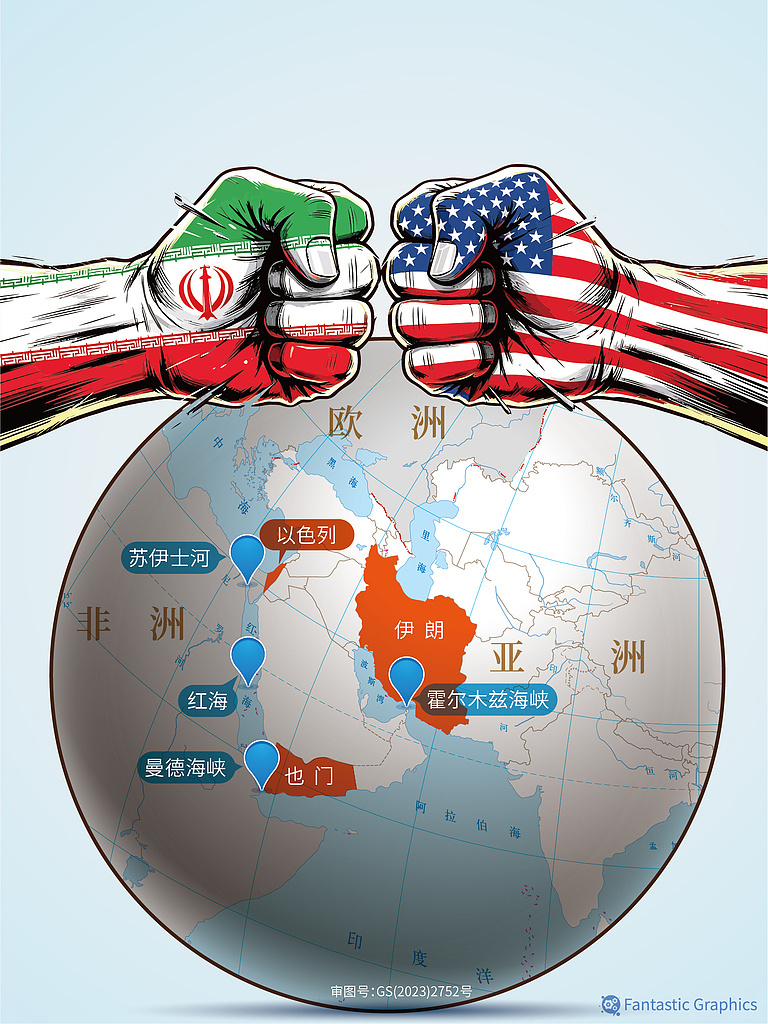
On August 4th, local time, Reuters, citing three insiders, reported that the U.S. Army has consumed most of its global high-precision long-range missile stockpile during the five-month war with Iran, sparking worries about the military’s readiness for future conflicts.
These missiles mainly include the Army’s surface-to-surface weapons, namely the Army Tactical Missile System (ATACMS) and the Precision Strike Missile (PrSM). According to two of the sources, the U.S. has tapped into “nearly all” of such weaponry.
Reportedly, long-range ammunition is a vital part of the U.S. arsenal, enabling precise strikes from a safe distance. The ATACMS supplied by the U.S. played a key role in the Russia-Ukraine conflict, allowing Ukrainian forces to hit targets inside Russia. The PrSM is a newer, more advanced generation of missiles designed to replace the shorter-range ATACMS.
The sources declined to reveal the specific remaining quantities of various ammunition types. Another insider noted that despite the heavy use of precision-guided munitions, the U.S. is still capable of resupplying. This individual said the Central Command, responsible for U.S. forces in the Middle East, has been able to reload ammunition from U.S. stockpiles worldwide.
Analysts generally agree that production of certain munitions, including artillery shells and several missile types, is hitting record highs, but they also caution that supply levels may fall far short of what’s needed to sustain a prolonged war.
When asked to comment on stockpile data, the White House released a statement from Trump saying the U.S. “has more ammunition than any other country in the world” and “far more than we actually need.” It added, “Currently, our defense industry is producing more arms than ever before, while expanding factories and equipment at a record pace.”
Pentagon chief spokesman Sean Parnell also responded: “The U.S. military is the most powerful in the world, possessing everything needed to execute missions at the time and place of the President’s choosing. We have successfully conducted multiple operations across combatant commands while ensuring the U.S. military has a deep capability reserve to protect our people and interests.”
Reuters noted that over the past week, relevant supply figures have circulated within the federal government, amid intense discussions inside the Trump administration about how long the U.S. can sustain strikes on Iran without depleting stockpiles to a level that jeopardizes the military’s ability to respond to crises elsewhere.
According to two sources, senior military leaders have repeatedly warned the President that defensive weapon inventories, including Patriot interceptors effective at blocking ballistic missiles, are dwindling.
Last week, multiple media outlets reported that Trump’s decision not to launch another large-scale offensive against Iran was partly due to warnings from his military advisers about the U.S. arsenal. Some U.S. officials countered that Trump chose not to proceed with another attack because of pressure from Gulf nations.