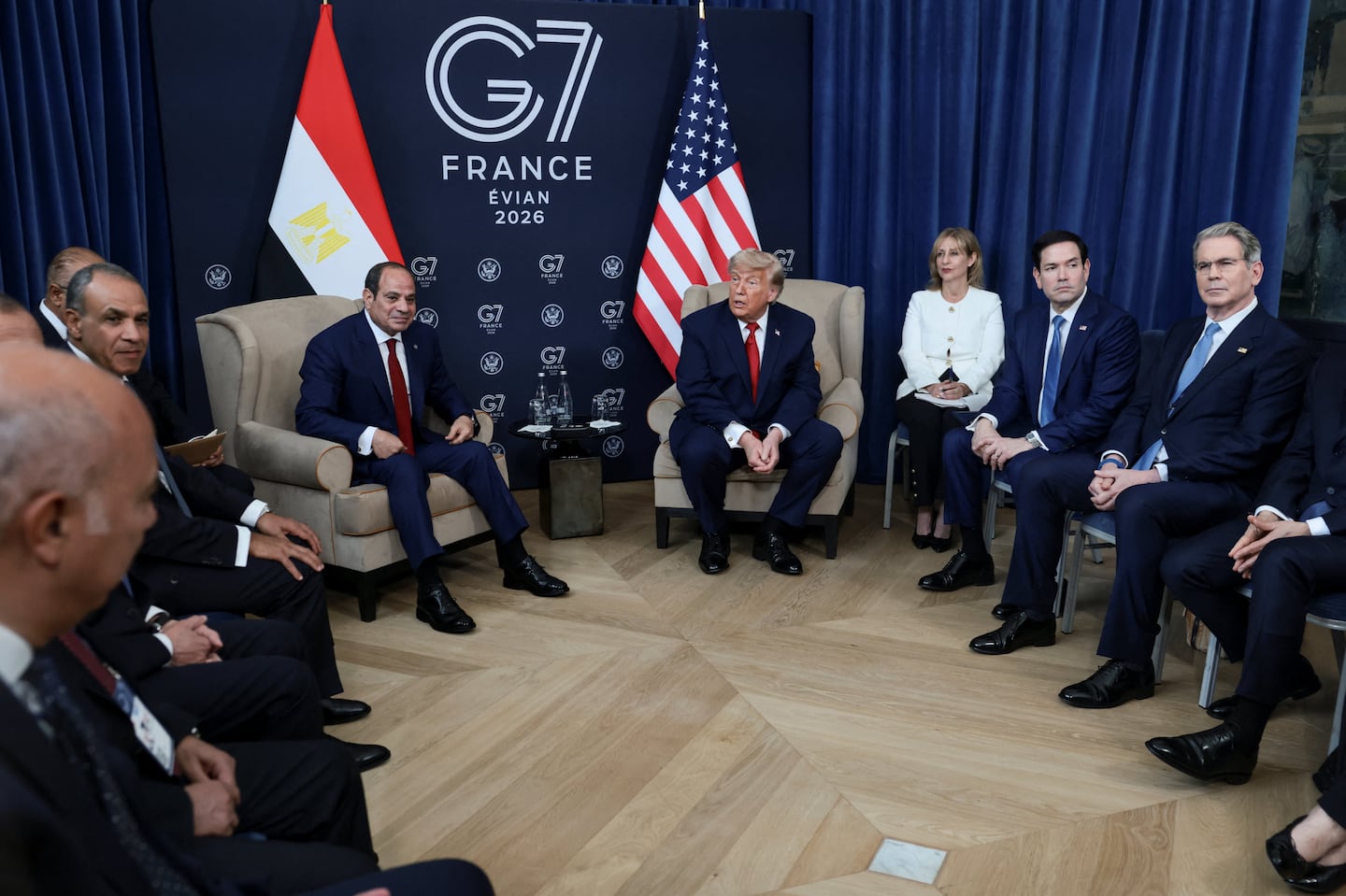
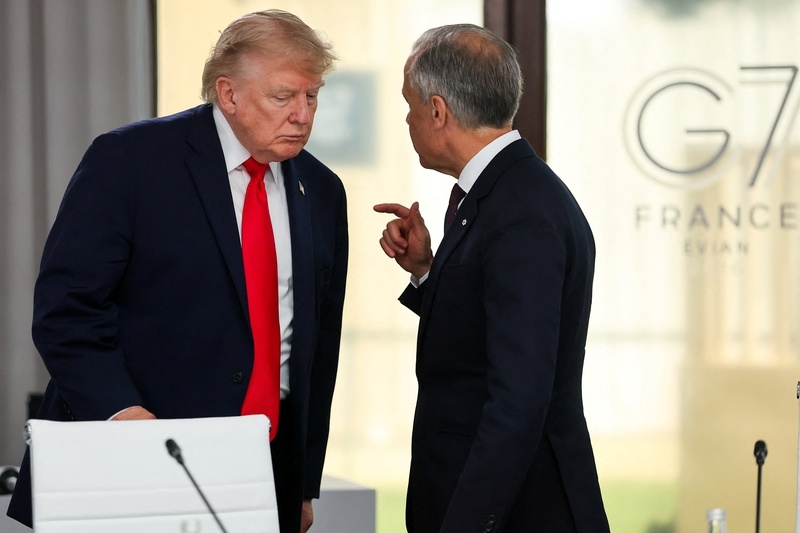
After months of grueling back-and-forth and behind-the-scenes diplomacy, the United States and Iran have finally reached and signed a ceasefire memorandum of understanding. U.S. Vice President Vance called it a “one-and-a-half-page” document. Under the terms, both sides will enter 60 days of talks to work out a final agreement.
Since the U.S.-led military strikes on Iran in late February, the conflict and standoff have dragged on for over 100 days. So why did the two sides settle on this memorandum right now? What exactly did they achieve in those few pages? And what are the chances for the upcoming 60-day negotiations?
A Step Forward, But Just a First Step
On the 17th, both sides released the full text of the memorandum. It includes 14 articles, spelling out plans to reopen the Strait of Hormuz and ease some financial restrictions on Iran, while setting goals for resolving the nuclear issue in future technical talks.
“Reopening the Strait of Hormuz is the most positive outcome here,” said Qin Tian, a Middle East expert. “It’s expected to restore some level of traffic through the strait—good for both sides and for the whole world.”
Li Zixin, another analyst, added that reopening the strait will take some pressure off the global energy market.
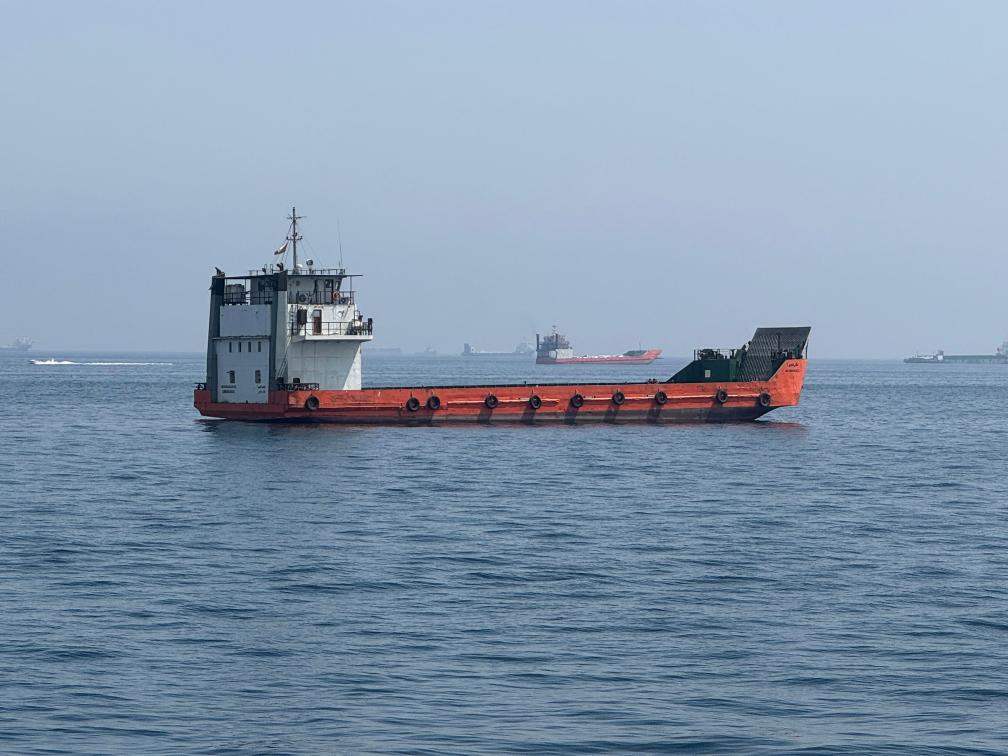
Commercial vessels stranded in the Strait of Hormuz, seen from the northern Omani town of Khasab on May 29, 2026. (Photo by Wen Xinnian)
Experts note that while this memorandum marks a real step in U.S.-Iran talks, it’s still a temporary compromise—”a stopgap measure.” Vice President Vance himself described it as a “very general document.” Niu Xinchun, a scholar on Arab studies, explained that the nature of the memo leaves a lot of wiggle room. “Because the two sides couldn’t agree on many details, they purposely kept things vague to make a deal possible.”
Qin Tian pointed out that a memorandum is less binding than a formal agreement. “It shows a certain level of intent, but doesn’t come with strong obligations to follow through.”
Under the deal, both the U.S. and Iran immediately and permanently stop all military operations, including in Lebanon, and promise not to start any future wars. But Niu warned that “permanent” might be a stretch. “Trump has already said that if Iran doesn’t sign a nuclear deal in 60 days, the U.S. will strike again. And both the nuclear issue and lifting sanctions are left for those 60 days.”
A Reluctant Compromise for Both Sides
Analysts see the timing as driven by mutual need: with midterm elections approaching, the U.S. badly wants out of the “no war, no peace” deadlock, while Iran needs to break free from blockades and ease its own pressures. So this deal is, in many ways, a compromise born of necessity.
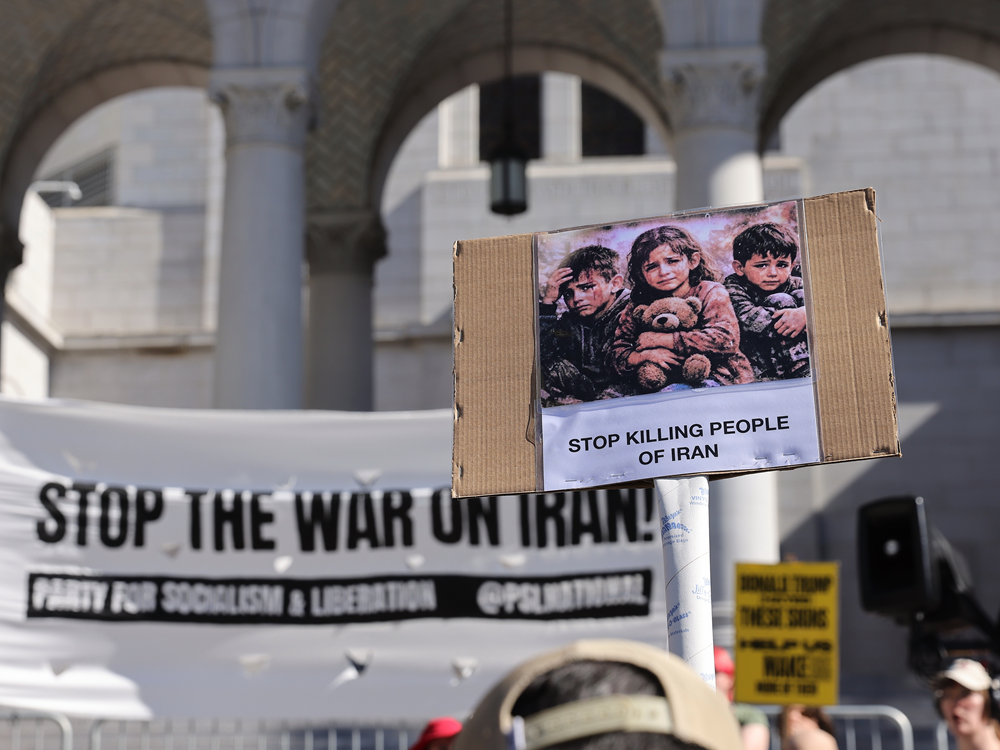
Protesters gather outside Los Angeles City Hall on March 7, 2026, to oppose U.S. and Israeli military strikes on Iran. (Photo by Qiu Chen)
“The main reason is simple: neither the U.S. nor Iran wants to go back to full-scale war,” said Niu. “Neither side achieved its war goals. If the memo fell through, the chances of a major conflict would keep rising.”
He pointed to a recent close call: the U.S. accused Iran of using a drone to shoot down an American Apache helicopter, though the two pilots survived after ditching at sea. “That was very dangerous. Trump had warned that if any U.S. soldiers were killed, he’d launch an all-out war. So in the last couple of weeks, both sides felt the urgency and had to give a little.”
Deep Mistrust Makes the Next 60 Days a Minefield
Even with the memo signed, the long-standing lack of trust between the U.S. and Iran remains a huge hurdle.

An Iranian flag flies over a building severely damaged in U.S.-Israeli airstrikes in Tehran, April 20, 2026. (Photo by Shadati)
U.S. Defense Secretary Hegseth recently said frozen Iranian funds would only be released after verifying Iran’s promises—”we don’t trust them.” Iran’s Deputy Foreign Minister Gharibabadi shot back that the memo “doesn’t mean we trust the enemy,” and that Iran will watch closely to see if the U.S. keeps its word.
With that level of suspicion, many see an uphill battle ahead. Niu believes the chance of a full agreement in 60 days is very slim. “All the toughest issues—the nuclear program, economic sanctions—have been kicked down the road. These are decades-old problems. They’re probably not going to be solved in two months, and will likely be pushed back further.”
Qin Tian agreed: “The core issue is nuclear, and that’s been a point of contention for years. There are tons of technical challenges. And it’s tied directly to sanctions relief, so the complexity is enormous. Plus, there are plenty of outside factors that could throw a wrench in the works. Getting real results in just 60 days? That’s going to be really tough.”
Israel Won’t Be Happy—And Could Cause Trouble
Israeli Prime Minister Netanyahu said on the 15th that Israel “wasn’t aware” of the details of the U.S.-Iran deal. National Security Minister Itamar Ben-Gvir even went so far as to say the deal is “not binding” on Israel.
As a wild card in the talks, Israel is clearly unhappy with the U.S.-Iran agreement. Can the U.S. keep Israel in check?
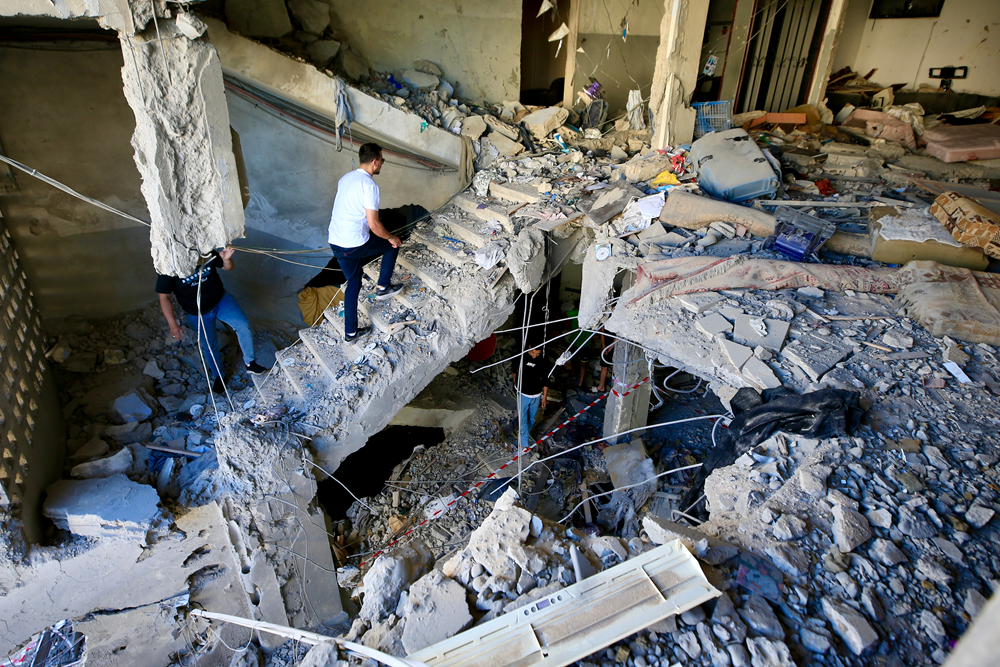
People inspect the rubble of a building hit by an airstrike in Sidon, southern Lebanon, May 28, 2026. (Photo by Ali Hashisho)
Niu thinks Israel doesn’t have the power to stop the overall trend toward a ceasefire. “It sees the political will and strategic resolve from Washington, and knows the tide has turned. But that doesn’t mean it’ll sit quietly. Israel will likely take actions to complicate the implementation and future talks—doing whatever it can within its power to create friction and contradictions with the memo.”
Qin Tian added: “Israel clearly opposes these talks. It will look for weak spots in the memo’s execution, stir up trouble, and try to drive a bigger wedge between the U.S. and Iran—maybe even push Washington back toward military action.”