

On June 8, the European Council dropped a fresh wave of sanctions, officially targeting Iranian individuals and organizations. The official line? They’re being penalized for allegedly “threatening freedom of navigation across the Middle East.”
According to HA Viewpoint, the latest hit list includes a commander from the Islamic Revolutionary Guard Corps (IRGC) Navy, a figure tied to Iran’s energy export sector, and a local naval command unit under the IRGC.
What does this actually mean on the ground? We’re talking full asset freezes, a hard ban on funneling any funds or economic resources their way, and a strict travel ban keeping them off EU soil.
Now, let’s talk geography. The Strait of Hormuz sits right between Iran and Oman, acting as the sole maritime gateway from the Persian Gulf to the Indian Ocean. Even though most of its deep-water shipping lanes fall within Omani territorial waters,Iranholds the reins on actual operational control.
Europe as a whole—including the UK—doesn’t rely heavily on Hormuz-bound crude for direct imports. But here’s the catch: with domestic refineries shrinking due to strict environmental rules and older plants geared toward diesel, Europe is actually sitting on a major dependency for specific fuel grades. We’re looking at aviation fuel and kerosene, where reliance hits a staggering 38.9%.
On top of that, LNG exports from Gulf states like Qatar run almost entirely through this chokepoint. France, Italy, and Spain pull a massive chunk of their liquefied natural gas supply straight from this region.
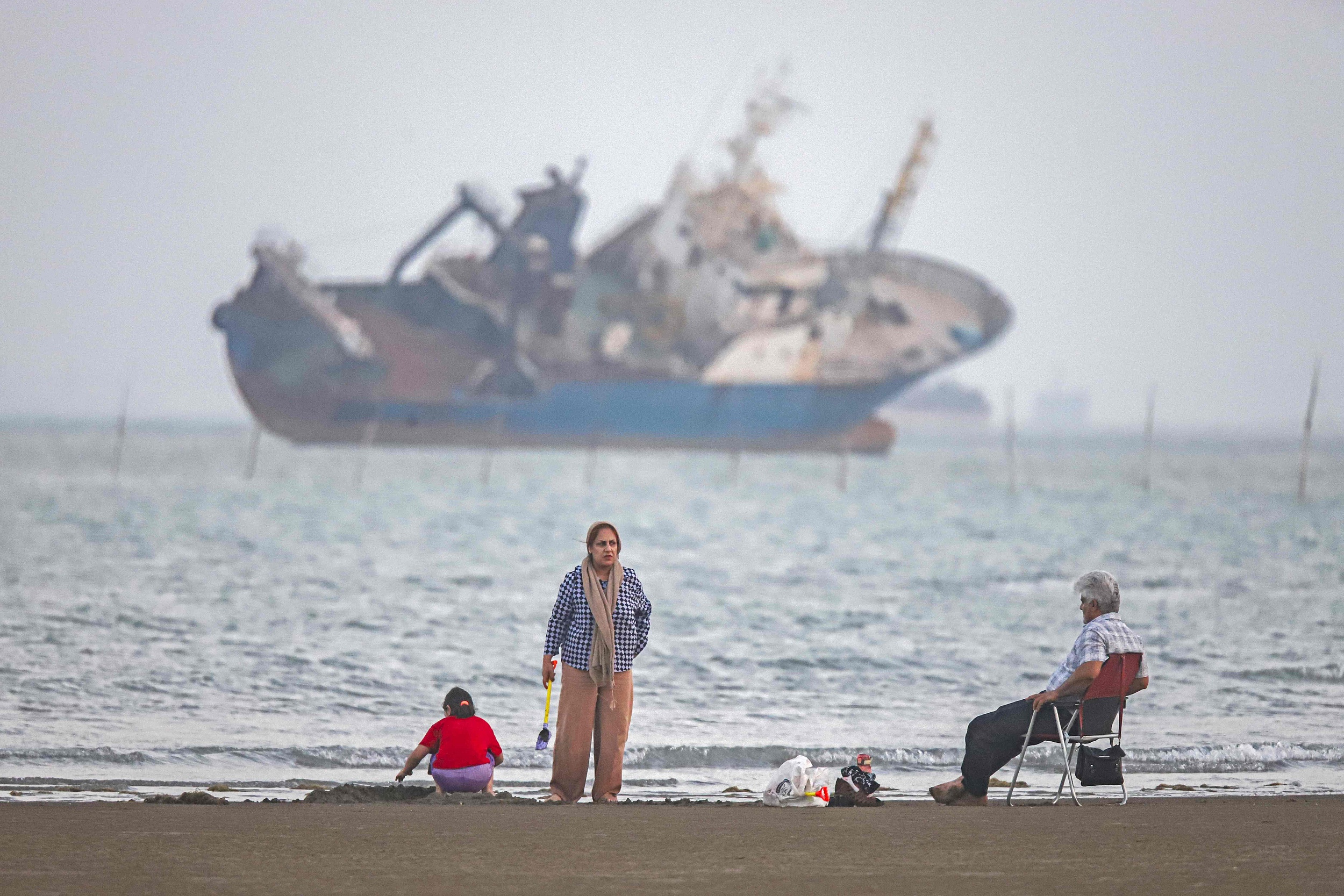
As tensions in the strait keep simmering, the ripple effects are hitting Europe hard through spiked oil prices and skyrocketing marine insurance premiums. In response, the UK, France, Germany, and Italy are quietly rolling out a joint naval escort initiative for the strait, currently wrapping up its planning and forward-deployment phases.
Meanwhile, Tehran has officially kicked off the drafting process for the “Hormuz Strait Environmental Service Toll Regulations.” A preliminary draft just wrapped up, though the exact pricing tiers and collection mechanics are still being ironed out.
Insiders from maritime security operators let the cat out of the bag: right now, a single transit for a bulk carrier can clock up to $120,000, while tankers might face a $160,000 tab. Rates flex based on vessel type, cargo, and flag state. Interestingly, that’s a massive drop from the early war days, when fees routinely jumped to one or two million bucks.
Legally speaking, the Hormuz Strait connects open seas and exclusive economic zones, making it a classic international waterway. Under the UN Convention on the Law of the Sea (UNCLOS), coastal nations are strictly barred from arbitrarily restricting transit or slapping on tolls.
As of April 2026, over 168 countries and entities have formally signed off on UNCLOS. That includes heavyweights like China, Russia, Japan, and India. Iran, however, has never formally ratified it, giving Tehran a legal loophole to claim it’s not bound by “transit passage” rules. Interestingly, the US is in the exact same boat.
Way back on March 30, Iran’s parliamentary national security committee fast-tracked a bill to charge transit fees for vessels passing through Hormuz. The proposal outlines a financial system denominated in Iranian Rials and explicitly reinforces the commanding role of armed forces like the IRGC.
Last month, the Iranian government officially launched a new regulatory body dubbed the “Persian Gulf Strait Authority,” complete with a matching social media handle that went live the same day. The account immediately claimed official status, promising real-time updates on everything happening in the strait.
The page is jointly run by the “Supreme National Security Council of Iran” and the IRGC Navy. Back on May 18, an Iranian foreign ministry spokesperson noted that Tehran is still in ongoing talks with Oman to figure out a workable transit framework.
Early leaks suggested that the “Persian Gulf Strait Authority”’s core rules might include a mandatory “security transit fee” payable only in Iranian Rials. Every commercial and civilian vessel would need to submit detailed manifests upfront—covering ownership, crew nationality, cargo breakdowns, and routing. The authority’s oversight would even stretch to subsea pipelines and data cables crisscrossing the seabed.
Analysts see this official rollout as a major pivot toward institutionalized control over the waterway. US intelligence agencies believe Tehran’s real endgame is to fund its post-war reconstruction by monetizing every ship that sails through Hormuz.
The US and Israel launched their campaign against Iran on February 28 this year. We’re now past the 100-day mark, and the original goal of regime change hasn’t materialized. Instead, we’ve seen Tehran tighten its grip on the strait, sending global energy prices into a tailspin. Hundreds of commercial vessels and roughly 20,000 seafarers remain stranded in the Persian Gulf to this day.
On May 6, Chinese Foreign Ministry spokesperson Lin Jian stressed that the Hormuz standoff will only ease if a comprehensive ceasefire is reached sooner rather than later. He emphasized that the sovereignty and territorial integrity of coastal states must be respected, regional concerns need serious attention, and the international community’s legitimate interests deserve protection.
By May 31, the transit bottlenecks had already pushed marine bunker fuel costs up by nearly 70%. Shipping lines are naturally passing those overheads down to cargo owners, sending global container freight rates through the roof. If the strait doesn’t open up soon, the market shockwaves will only get worse.
According to CITIC Securities’ latest A-share strategy report, the biggest market headache right now is the crumbling assumption that the Hormuz Strait will stay open in the short term. With inflation and tightening expectations heating up, the firm argues that restoring normal strait transit will be the absolute tipping point for a turnaround in non-AI sectors.
Major global watchdogs—the IEA, IMF, World Bank, and WTO—are all sounding the same alarm: if shipping doesn’t normalize, global energy reserves will drain fast. Come summer peak season, multiple countries are staring down a serious shortage risk.